
Last updated September 20, 2026
Full 25-point door and opener safety check with every visit - springs, cables, rollers, tracks, and your LiftMaster or Chamberlain opener included
You get a price before we start. It does not change when the truck arrives.
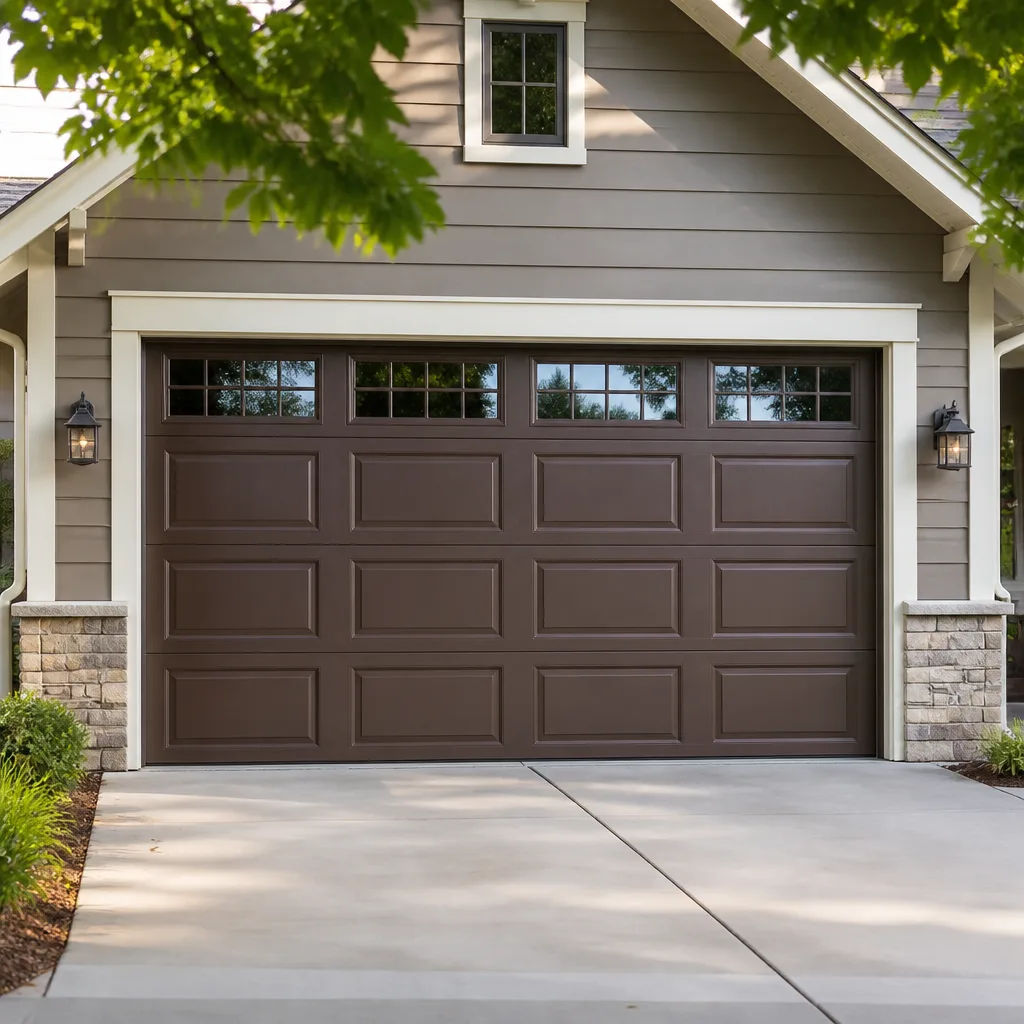
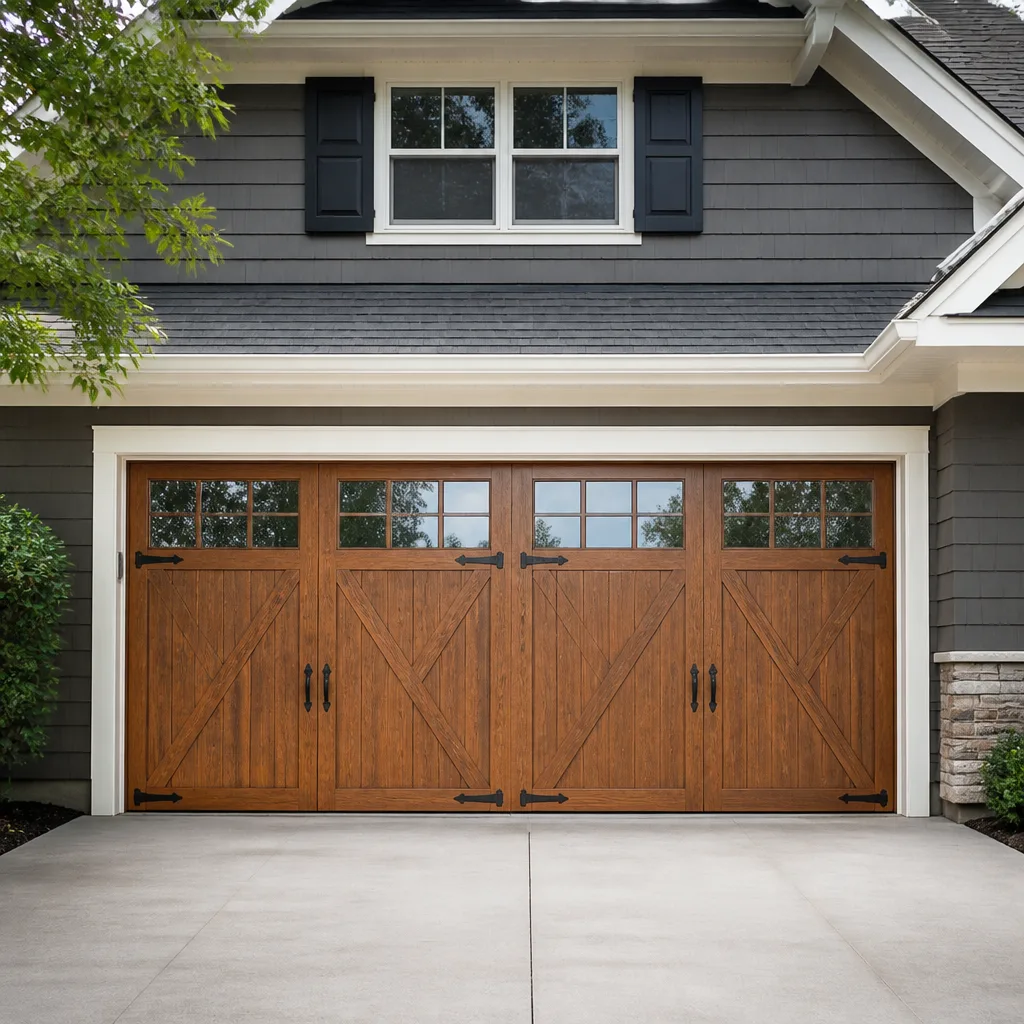
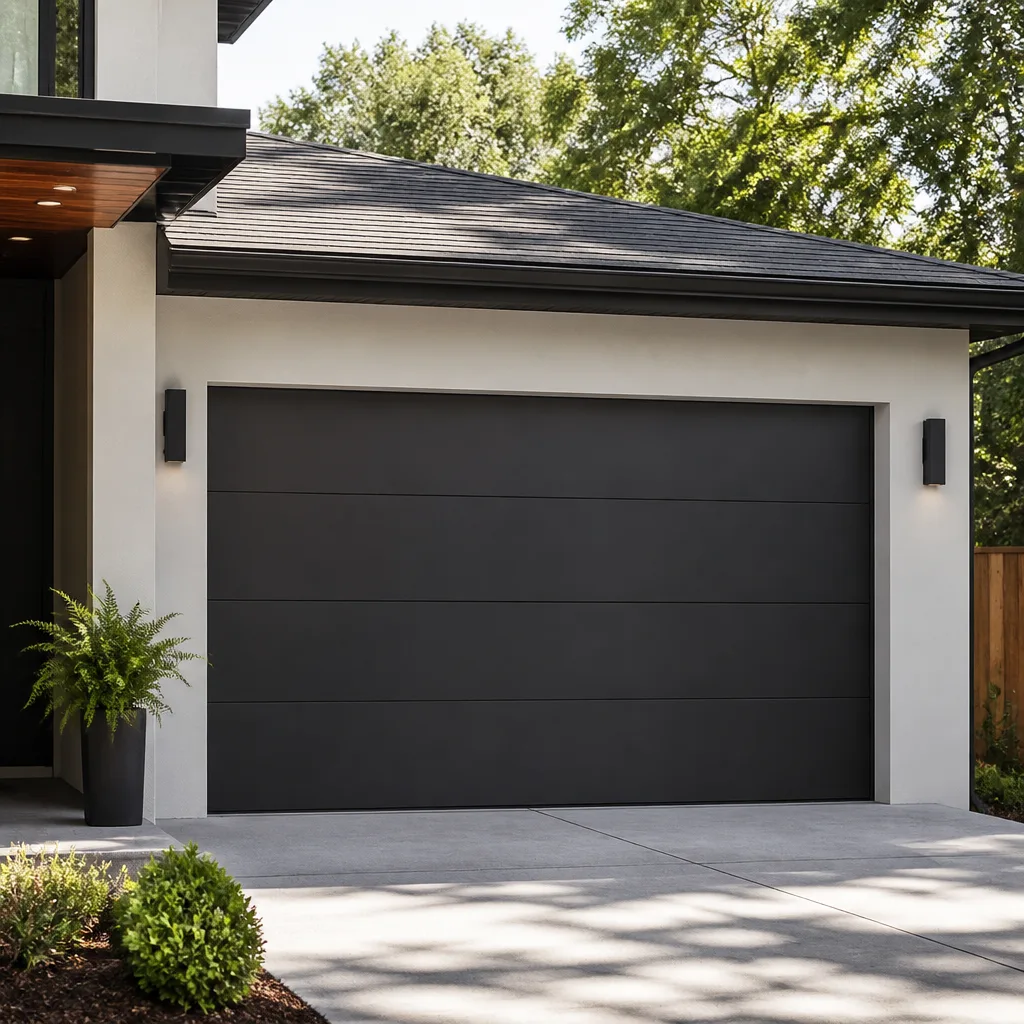
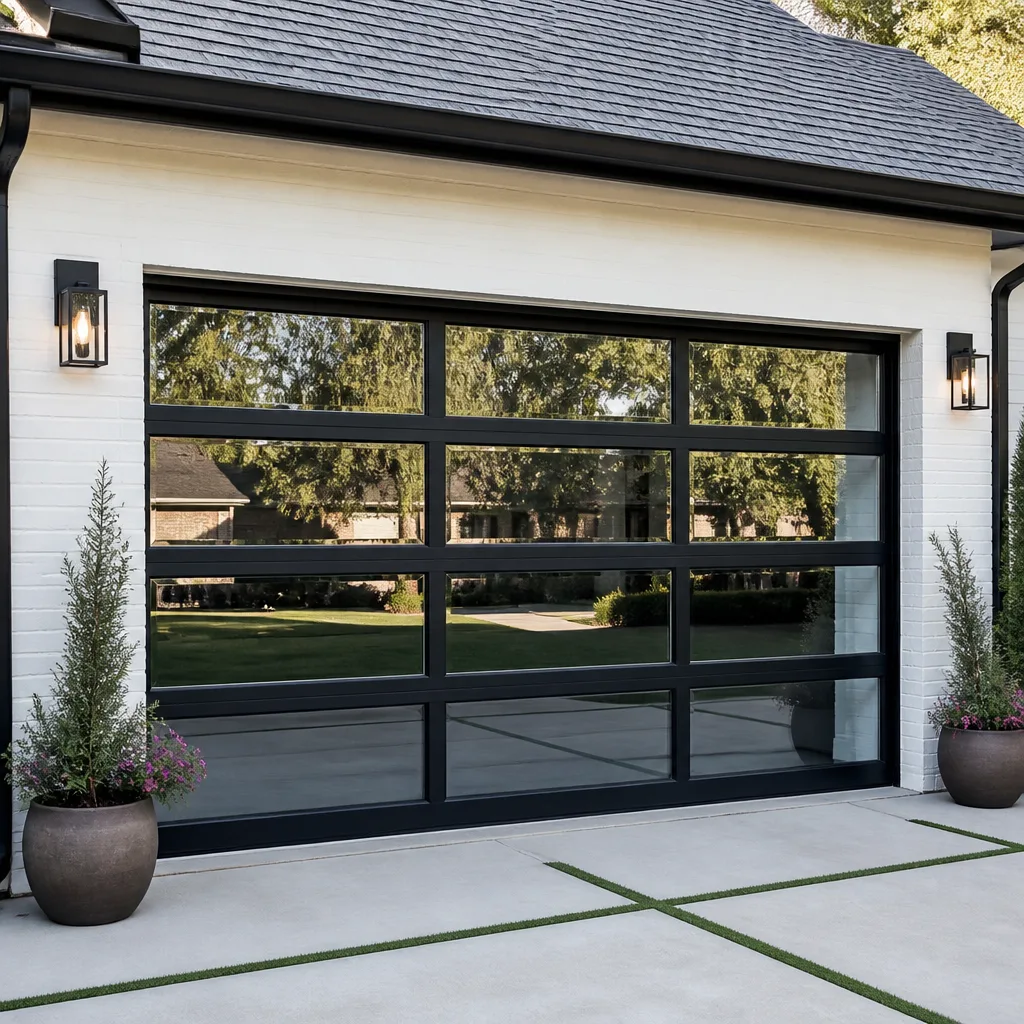
 Before
 After
After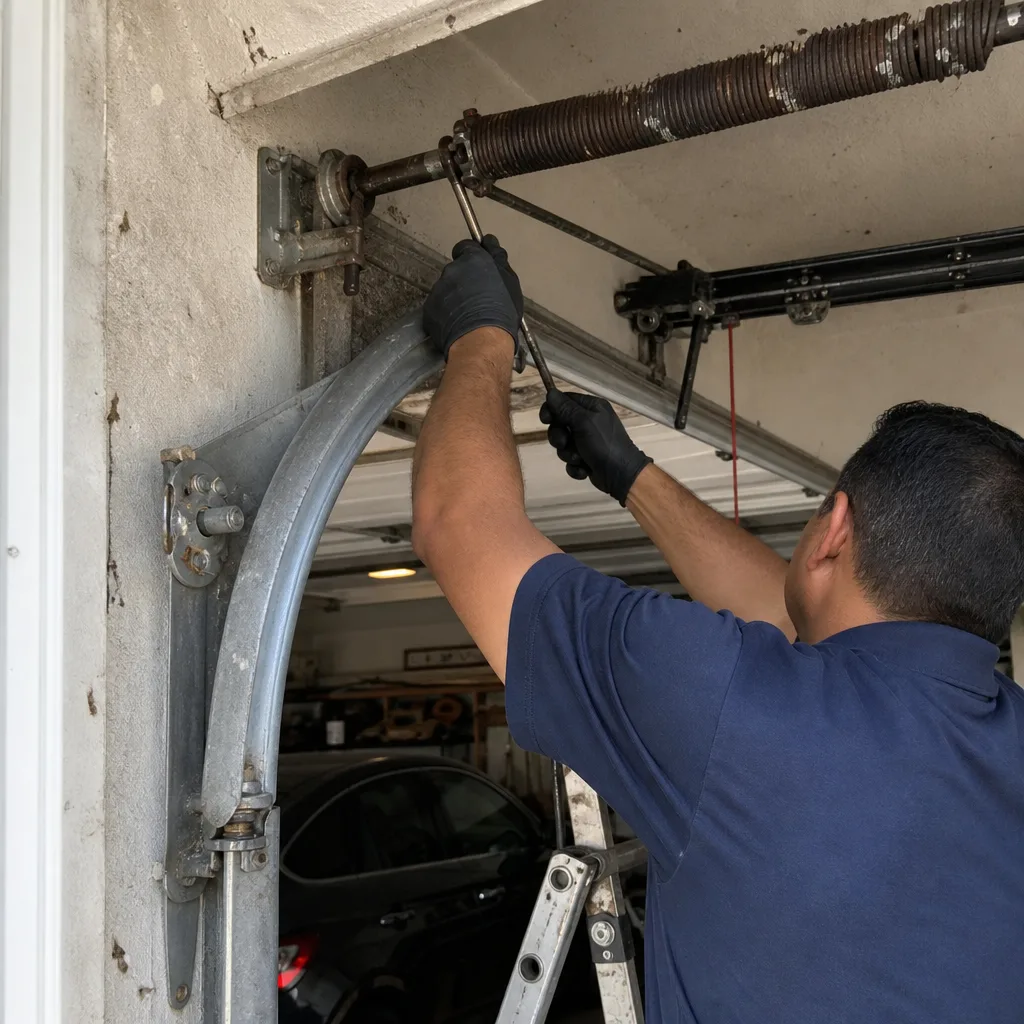 Before
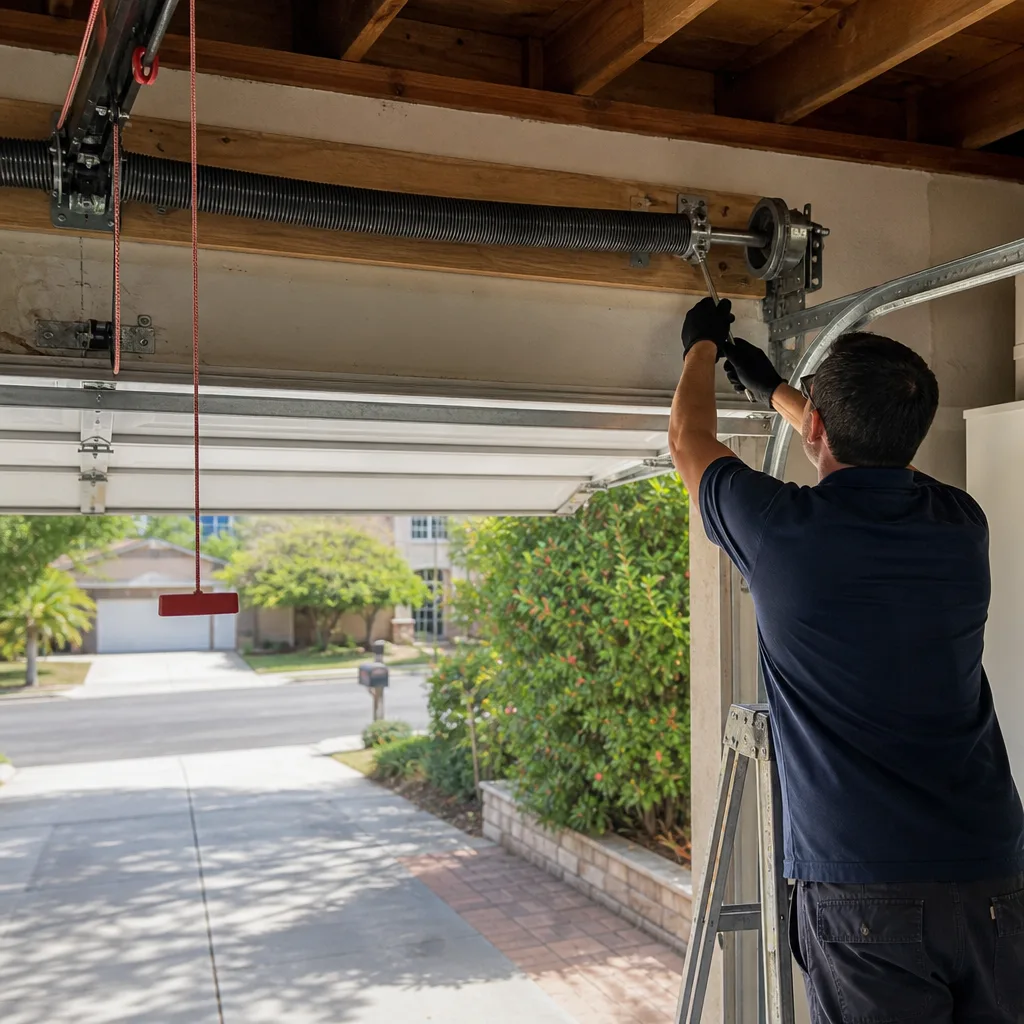 After
After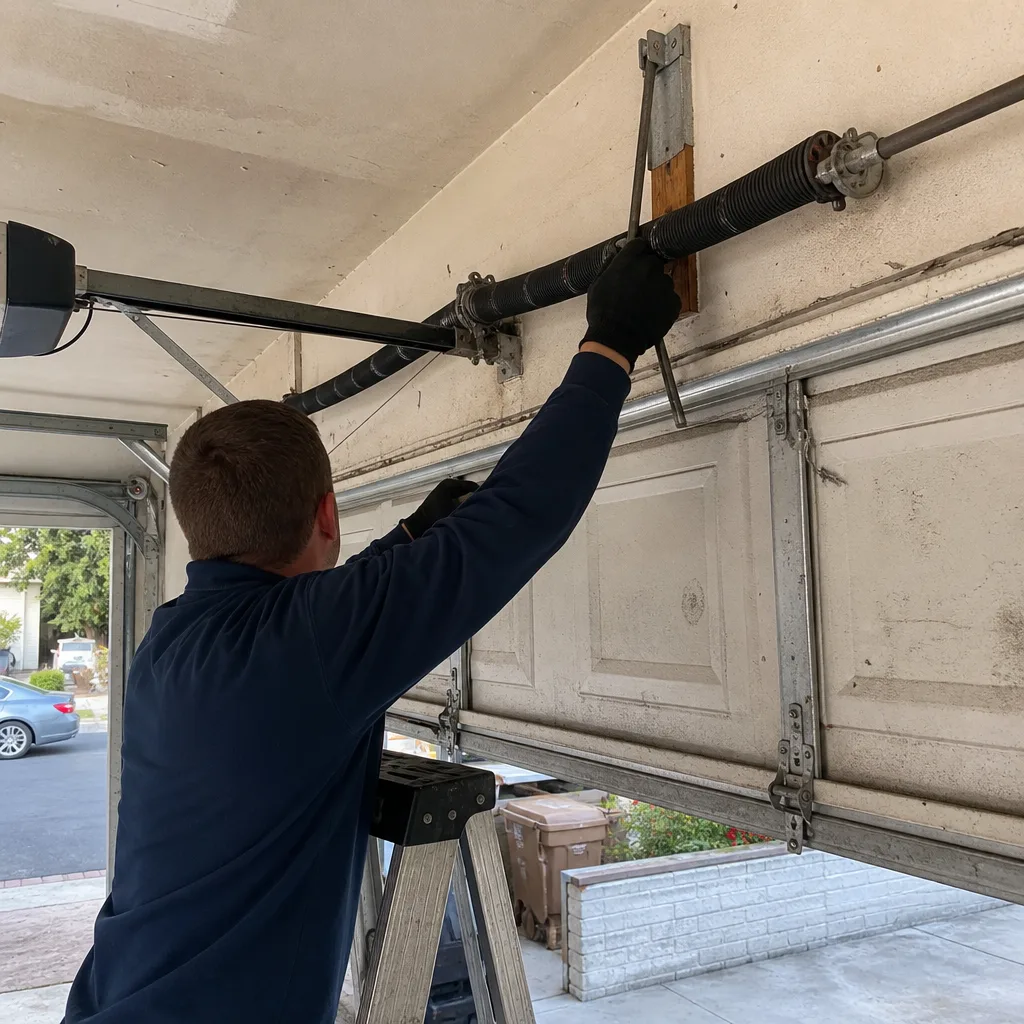 Before
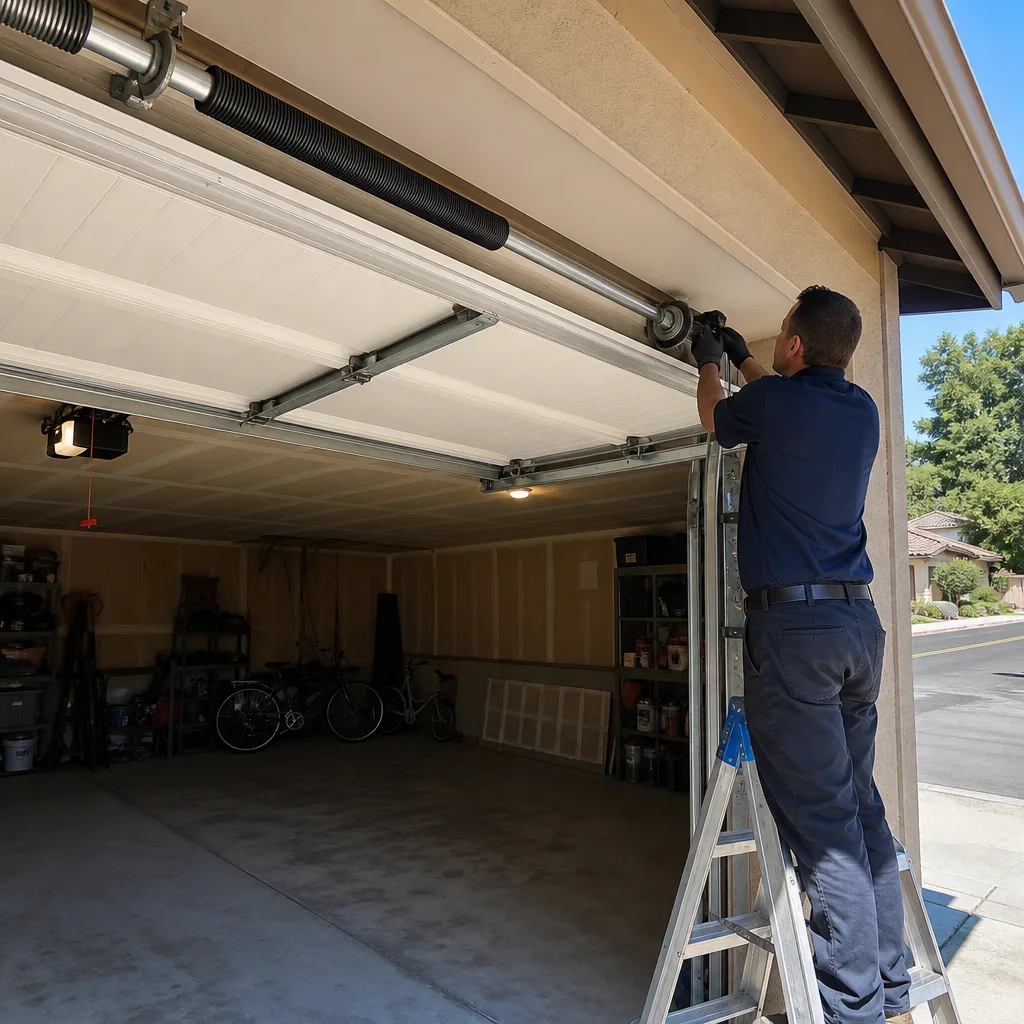 After
AfterGarage Door Cost Breakdown: The Thousand Oaks Homeowner’s Reference for 2026
The markup on a standard torsion spring in the Thousand Oaks market can vary by 300% between contractors quoting the same spring. Not because the spring is different. Because parts markup is where margin lives, and verbal quotes hide it. This guide separates what a garage door repair in Thousand Oaks actually costs in 2026: the parts, the labor, the disposal, and the permits. By the time you finish reading, you’ll know how to read a quote line by line and spot padding before you sign anything.
Quick Answer
Expect to pay between $180 and $450 for most single-component garage door repairs in Thousand Oaks in 2026, $550 to $1,400 for opener replacement, and $1,400 to $4,500 for a full door replacement depending on material and size. The single biggest variable isn’t the part itself, it’s whether the contractor itemizes labor separately or buries markup in a bundled price. A written quote that separates parts, labor, and disposal is the fastest way to see what you’re paying for.
Table of Contents
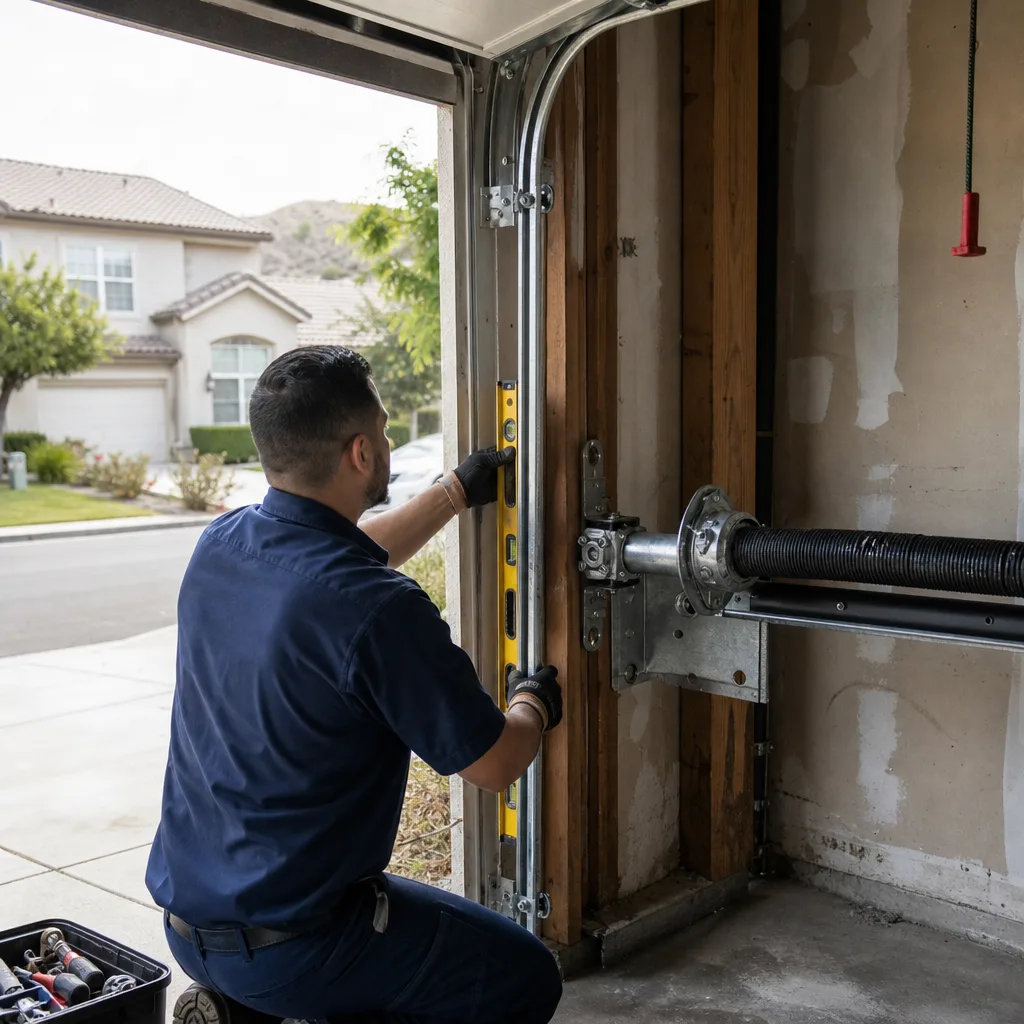
- What the Six Most-Replaced Parts Actually Cost in Thousand Oaks
- Labor Time Benchmarks: What Each Job Should Take
- How to Read an Itemized Quote Without Getting Fooled
- Full Door Replacement Costs by Material and Size
- The Permit Add-On: When It Applies and When It Doesn’t
- Why Quotes Vary: The Low, Mid, and High Tiers Explained
- Common Mistakes to Avoid
BeforeAfterWhat the Six Most-Replaced Parts Actually Cost in Thousand Oaks
Every garage door has a handful of components that fail on a predictable schedule. In Thousand Oaks, where coastal air drifts up the 101 corridor and summer temperatures push past 90°F, we see specific patterns: torsion springs snap more often in the winter months when metal contracts, and nylon rollers degrade faster in the dry heat. Here’s what each part costs, in dollars, before labor.
Torsion Springs
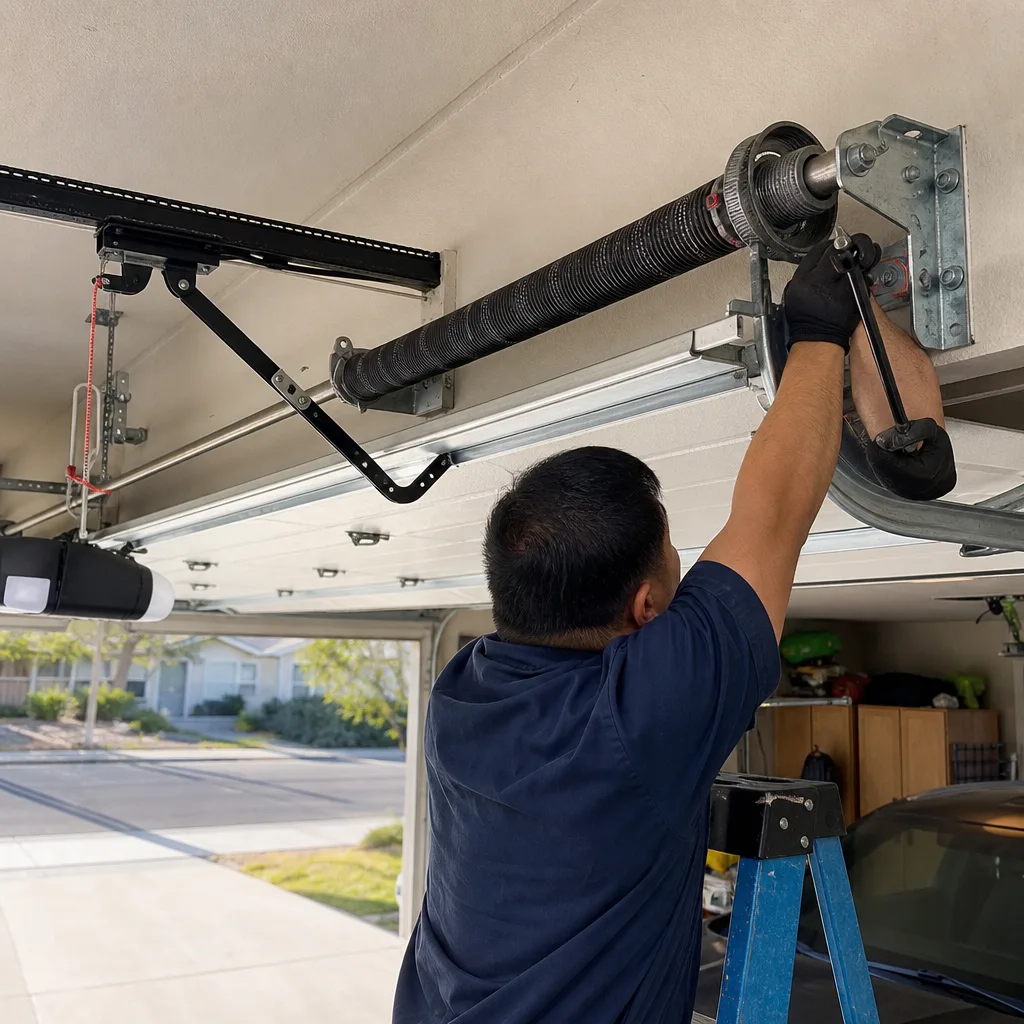
The torsion spring is the coiled steel bar above your door that does the actual lifting. It’s wound tight and holds the door’s entire weight. When it breaks, the door won’t open unless you disable the opener and lift it manually, which is dangerous to attempt on a double door. Parts cost for a pair of torsion springs in the Thousand Oaks contractor market runs $80 to $250, depending on wire gauge and cycle rating. A 10,000-cycle spring costs about 40% more than a standard 5,000-cycle spring. The 300% markup we mentioned at the top happens here, because homeowners can’t compare a part they can’t see.
Extension Springs
Found on older doors and lighter single-car setups, extension springs stretch and contract along the horizontal tracks rather than coiling above the door. Parts run $40 to $100 for a pair. They fail more visibly, often with a safety cable running through them (required by code since the 1990s). If your Thousand Oaks home was built before 1995 and still has an original door, extension springs are likely what you have.
Cables
The lift cables run along the vertical sides of the door and transfer the spring’s tension to the actual lifting motion. A frayed cable is a warning sign, not an emergency yet, but a snapped cable while the door is mid-cycle can drop the door hard. Cable replacement parts cost $25 to $70 per pair. In our experience, cables rarely fail alone; they usually follow a spring issue or a track misalignment.
Rollers
Steel rollers with ball bearings glide the door along the track. Nylon rollers last longer and run quieter, which matters if your garage sits under a bedroom, common in the newer developments east of the 23 in Thousand Oaks. Parts: $10 to $25 per roller for steel, $25 to $50 per roller for nylon with sealed bearings. A full set on a double door means 10 to 12 rollers.
Bottom Seals
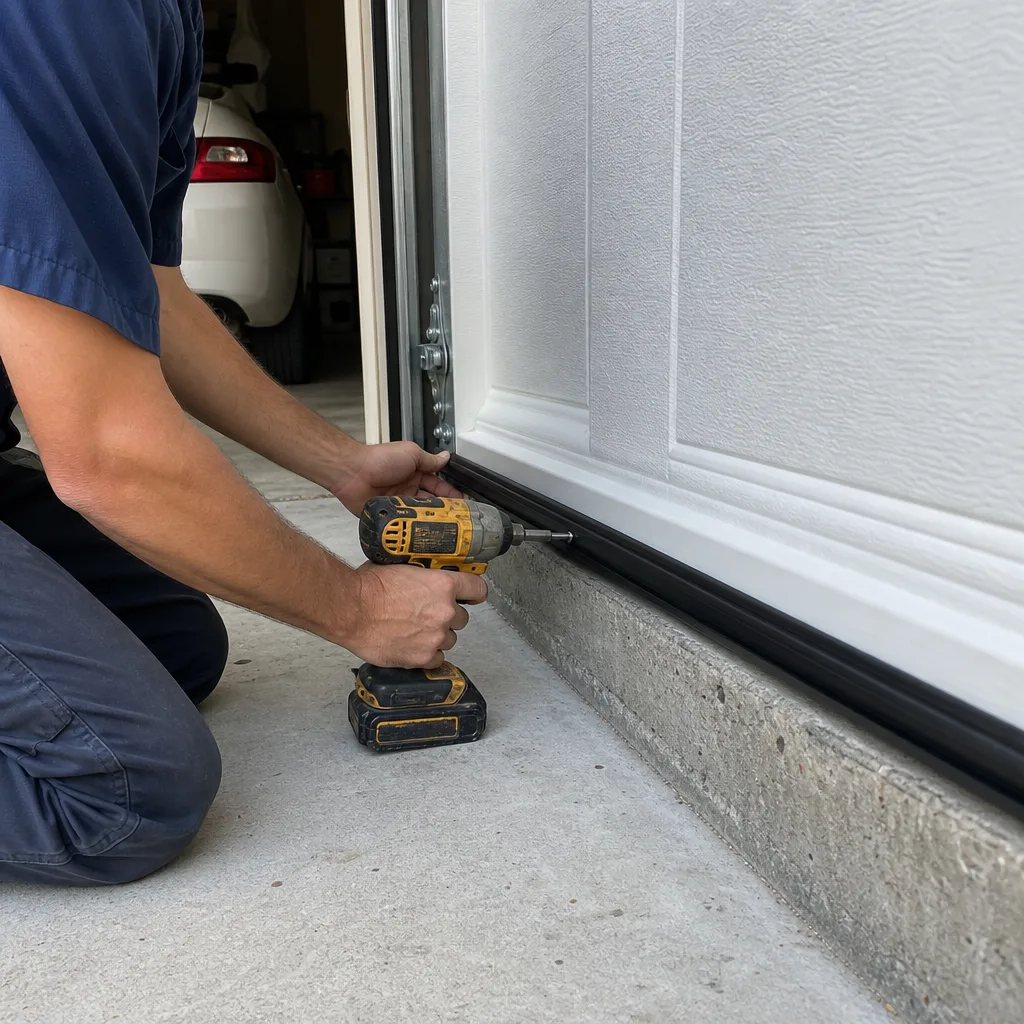
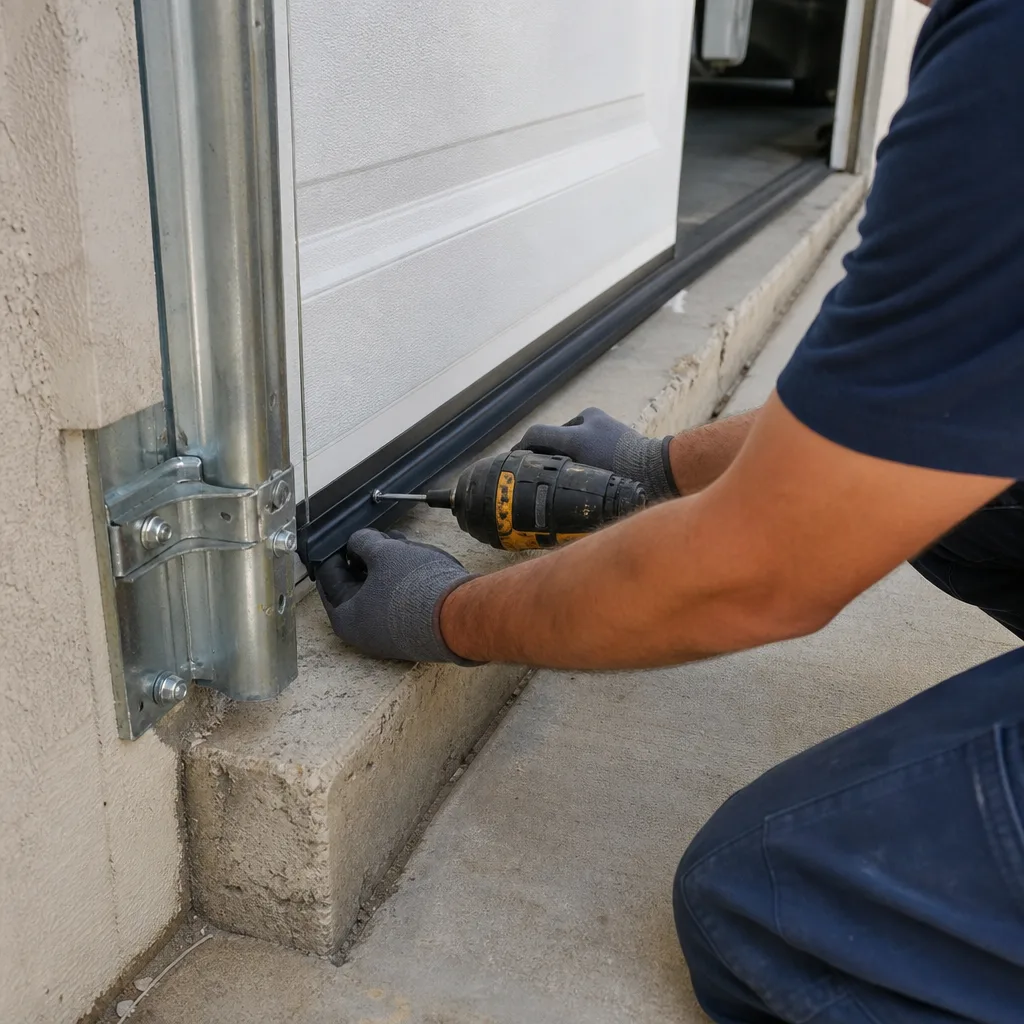
The rubber gasket along the bottom edge keeps rain, dust, and the occasional critter out. Thousand Oaks gets enough Santa Ana wind that a cracked bottom seal starts showing dust lines on your garage floor within weeks. Parts: $20 to $45. It’s the cheapest component on this list, and the one most often marked up 200% on a “maintenance package” quote.
Garage Door Openers
Openers are the most expensive single component because they bundle a motor, a logic board, safety sensors, and a rail system. In Thousand Oaks, a chain-drive LiftMaster or Chamberlain opener runs $200 to $350 for parts alone. Belt-drive versions, quieter and better for attached garages, run $280 to $450. The Genie brand lands in the mid-range, $230 to $380. If a quote lists an opener line item under $150, you’re getting a builder-grade model that will fail sooner than you’d like.
Labor Time Benchmarks: What Each Job Should Take
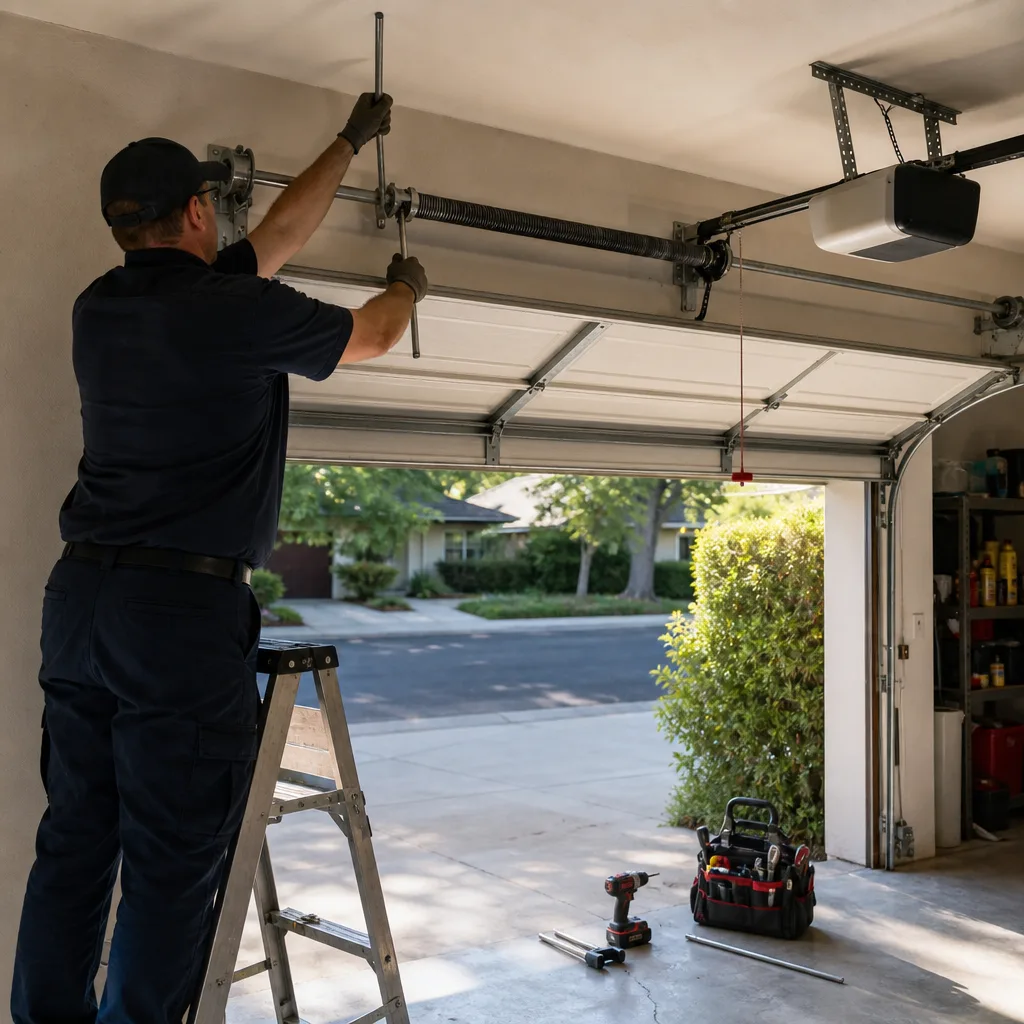
A competent technician who does this work daily moves fast. This isn’t a criticism of thoroughness; it’s a defense against the “two hour minimum” line that pads a 45-minute job into a full afternoon rate. Here’s what we’d expect to see on a work order in the Thousand Oaks market, based on a single technician in a stocked truck:
- Torsion spring replacement: 45 to 75 minutes. Two springs, wound and balanced, includes testing the door’s full travel. If a quote implies this is a half-day job, it isn’t.
- Extension spring replacement: 30 to 50 minutes. Simpler mechanism, fewer adjustment points.
- Cable replacement (with spring intact): 30 to 45 minutes per side. If the spring has to be unwound first, add 20 minutes.
- Full roller replacement: 60 to 90 minutes for a double door. The door has to come off the track section by section, and the bottom brackets carry tension.
- Bottom seal replacement: 15 to 20 minutes. This is the one job where a “minimum service call” charge sometimes exceeds the parts cost. We’ll cover that below.
- Opener replacement (full swap): 1.5 to 2.5 hours. This includes removing the old unit, mounting the new one, programming remotes, aligning sensors, and testing force settings.
- New door installation (full removal and replacement): 3 to 5 hours for a standard single or double door, assuming no structural changes to the opening.
These benchmarks assume a technician who does garage doors exclusively, not a handyman who fits door repairs between other jobs. The difference shows in the details: a specialist checks spring balance after every replacement, adjusts track spacing on both sides, and runs the door through three full cycles before packing up. That’s the standard for garage door repair in Thousand Oaks work we perform.
How to Read an Itemized Quote Without Getting Fooled
A good quote separates four lines: parts, labor, disposal, and service call fee. A vague quote bundles them into one number and calls it “complete replacement” or “full repair package.” Bundling hides margin. Here’s how to parse the difference.
What an Honest Quote Shows
- Parts: the specific component, brand, and quantity. “Torsion spring, 0.243 wire, pair” is a quote. “Spring assembly” is a guess.
- Labor: the time the job takes. Flat rate is fine, but a flat rate that isn’t tied to a described scope is not. You should be able to see why the labor number is what it is.
- Disposal: door removal generates a lot of material. A full door replacement leaves 200 to 400 pounds of steel, wood, and old hardware. We quote disposal separately, in writing, always.
- Service call fee: the trip charge, if any. Some companies waive it if you proceed with the repair. Get that in writing before anyone arrives.
What a Bundled Quote Hides
- Parts markup: the 300% spring markup lives here. If parts aren’t a separate line, you can’t see it.
- Labor inflation: “Full installation” can mean two hours or seven. Without a scope, you’re trusting the contractor’s definition.
- Unnecessary extras: a bundled quote often includes “full safety inspection” or “preventative maintenance” that’s just a technician looking at the door. You can do that walkthrough yourself in five minutes; here’s what to look for anyway.
- Disposal fees: if the quote doesn’t mention who takes the old door, you might get surprised with a “haul-off charge” at the end.
The Haven Standard, which governs how Servo Garage Doors Thousand Oaks operates, codifies this: Clause 1 requires a flat, written price and written scope delivered before any work starts. If a contractor won’t put the number in writing, they’re asking you to trust a handshake, and the handshake is where the 300% spring markup lives.
Full Door Replacement Costs by Material and Size
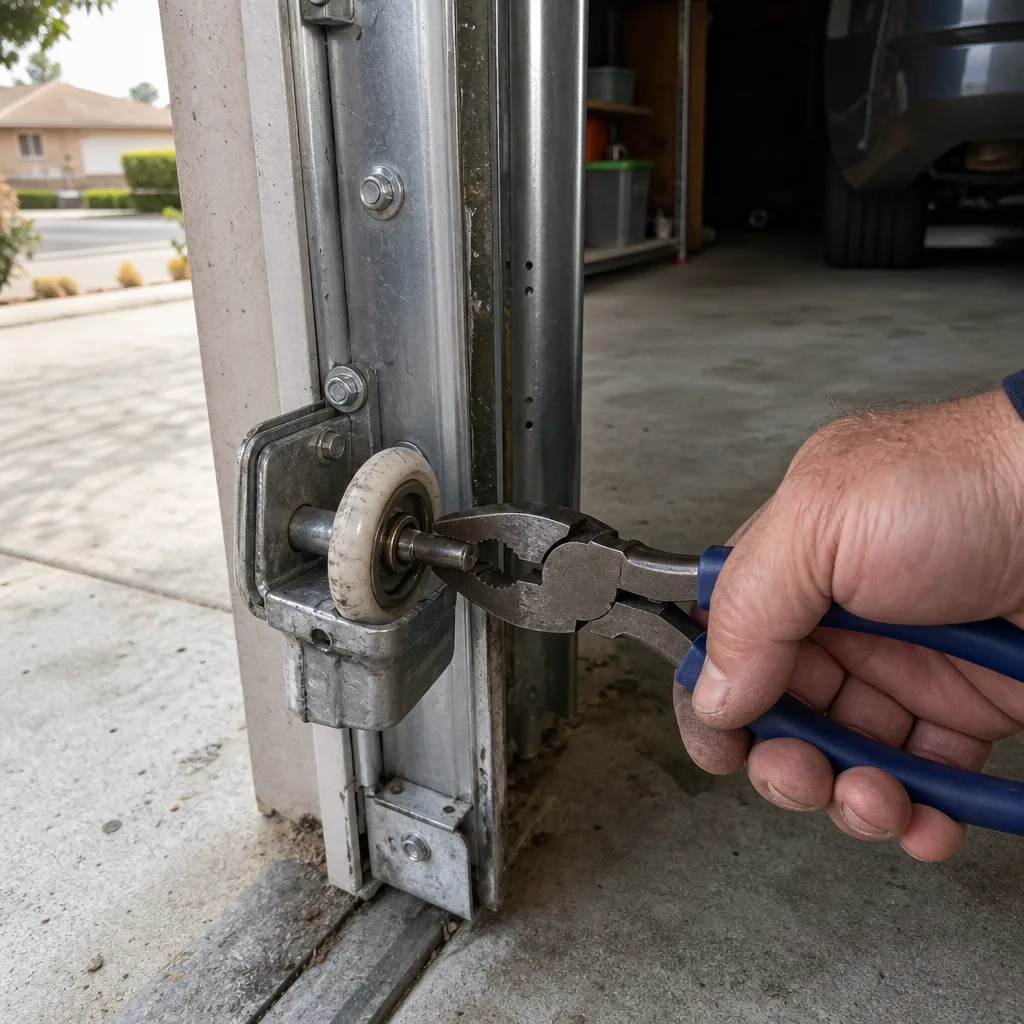
A new garage door is a different purchase from a repair. It’s measured, ordered, and scheduled, which means no legitimate contractor will promise same-day installation on a full door replacement. Here’s what the Thousand Oaks market looks like in 2026 for total installed cost, including parts, labor, and basic disposal.
Single Door (9×7)
- Steel, single-layer: $1,400 to $2,200 installed. Basic, functional, no insulation. Fine for a detached garage you never spend time in.
- Steel, insulated (2-layer or 3-layer): $1,800 to $3,200 installed. Better for attached garages, where the door is the largest thermal weak point on the front of the house.
- Wood composite: $2,800 to $4,500 installed. Lighter than solid wood, holds paint better, and resists warping in the dry Thousand Oaks summers.
- Aluminum (full-view): $2,500 to $4,200 installed. The modern glass-panel look, popular on the hillside homes off Lynn Road and Westlake Boulevard.
Double Door (16×7)
- Steel, single-layer: $2,000 to $3,000 installed.
- Steel, insulated: $2,600 to $4,200 installed.
- Wood composite: $4,000 to $6,500 installed.
- Aluminum (full-view): $3,800 to $6,000 installed.
Clopay and Amarr are the two most common manufacturers specified in Thousand Oaks for residential work. Both build solid doors. The difference is usually in the R-value of the insulation and the quality of the paint finish, not the basic mechanics. If you’re comparing quotes between a steel door and a wood composite door and the spread is under $500, ask to see the spec sheets. One of those quotes is using a thinner steel gauge or a lower insulation rating.
Scheduling a garage door installation in Thousand Oaks is a measured process: we send a technician with a tape measure and a level, quote the job in writing with the door spec attached, and order it. The written quote includes disposal and all hardware. Nothing about that process happens over the phone without eyes on the opening first.
The Permit Add-On: When It Applies and When It Doesn’t
Not every job needs a permit. Most repairs don’t. But if you’re modifying the structure around the door, the city of Thousand Oaks takes notice, and a contractor who doesn’t mention permits on a structural job is a red flag.
When a Permit Is Required
- When the opening size changes: widening the opening, raising the header, or converting a single door to a double.
- When the header or load-bearing framing above the door is modified or replaced.
- When fire-rated door requirements apply: common in attached garages that share a wall with living space, especially in the older homes in central Thousand Oaks.
What a Permit Costs
For a straightforward residential door replacement with no structural change, Thousand Oaks permit fees typically run $150 to $350. The permit covers the inspection, which verifies the door meets wind-load requirements for the region and that the install conforms to current building code. If a contractor quotes a full install without any mention of permits, ask them directly: “Does this job require a permit in Thousand Oaks?” If they say no on a structural job, get a second opinion. Garage door opener repair and installation work doesn’t trigger permit requirements in most cases, but structural changes to the opening itself almost always do.
Why Quotes Vary: The Low, Mid, and High Tiers Explained
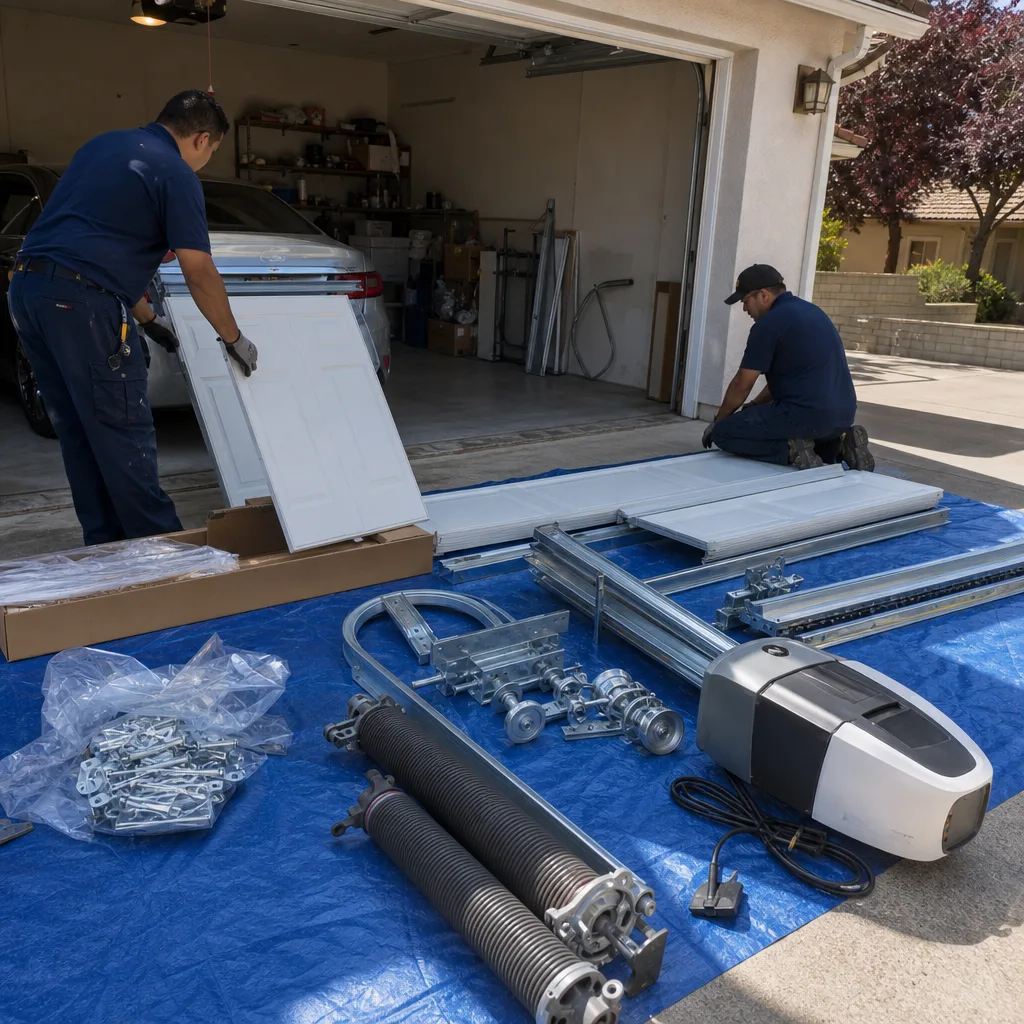
If you call three companies and get three wildly different numbers for the same torsion spring pair, it’s not because the springs are different. It’s because you’re seeing three different business models. Understanding the tiers is the quickest way to know which quote you’re actually looking at.
The Low Tier: $150 to $200 for Spring Replacement
This is usually a one-man operation or a handyman who does doors on the side. They’re not bad people. But they’re not stocking parts; they’re buying from a local supply house at retail and marking up 20%. They may not carry the full range of wire gauges on the truck, which means they’ll install what they can get, not necessarily what your door actually needs. And if something goes wrong in three months, you’re calling their personal cell phone and hoping they answer.
The Mid Tier: $275 to $400 for Spring Replacement
This is a specialist in a stocked van who does doors every day. The parts are name-brand, the spring is sized to your door’s actual weight, and the labor reflects the 45 to 75 minutes the job actually takes. This is where most Thousand Oaks homeowners should be shopping. The quote is itemized; the numbers make sense against the benchmarks above.
The High Tier: $500 to $700 for Spring Replacement
This quote doesn’t come from better parts. It comes from markup. The spring is the same gauge and cycle rating as the mid-tier quote, but the company has overhead to feed; maybe a franchise, maybe a big ad budget. The scary part is that the high tier often beats the mid tier on presentation alone, because their website is cleaner and their trucks are newer. The work isn’t better. The price is just higher.
Here’s what we mean by documentation mattering. Servo was built in 2015 on a rule that has never changed: we photograph the failed component before quoting a replacement. Clause 4 of The Haven Standard makes that rule binding. If a spring is broken, you see the break in the photo before you agree to the price. If a cable is frayed, you see the fray. That photo record is the difference between a quote you can trust and a quote you’re told to trust.
Key Takeaways
- The six most-replaced parts in Thousand Oaks have defined cost ranges; a quote outside the range needs an explanation, not trust.
- Labor benchmarks matter. A two-hour minimum on a 45-minute job is padding, full stop.
- An itemized quote separates parts, labor, disposal, and service call fee. A bundled quote hides where the margin lives.
- Full door replacement in Thousand Oaks runs $1,400 to $6,500 installed, depending on material, size, and insulation.
- Permits apply to structural changes, not routine repairs. If a contractor won’t discuss permits on a structural job, walk away.
- The price spread on the same spring can hit 300% between tiers. You’re not paying for a better spring at the high end; you’re paying for margin.
Common Mistakes to Avoid
- Accepting a verbal quote. A number spoken over the phone is not a number you can hold anyone to. Demand it in writing before work starts. If the contractor hesitates, that hesitation is your answer.
- Skipping the photo. The technician should show you the failed part before replacing it. If they won’t, they’re either rushing or hiding something. In our shop, Clause 4 makes this non-negotiable. Every visit closes with a documented photo record of what was found and what was done.
- Chasing the cheapest quote on a spring. The spread between the low tier and the mid tier is often under $150. The difference is a part sized to your door’s actual weight versus whatever was on the truck. Pay the $150.
- Ignoring the permit question on a structural job. If you’re widening an opening or modifying a header, the permit is not optional in Thousand Oaks. A contractor who doesn’t raise the subject is either uninformed or hoping you are.
- Accepting a bundle without a breakdown. “Complete replacement package” is not a scope. Ask for the line items. If they won’t provide them, the bundle is hiding something.
- Assuming all warranty language is equal. Read the terms. A 90-day parts warranty on a spring is not the same as a guarantee that the repair is correct. We back our work under the 365-Day Done Right Promise: if it’s not right, we make it right, for a year, in writing.
When to Call a Professional
Some jobs are safe for a careful homeowner. Greasing rollers, tightening track bolts, replacing a bottom seal: these are straightforward. But torsion springs under tension are not a DIY job. A spring is wound with enough stored energy to seriously injure you if it lets go. If you hear a loud snap from the garage, or the door won’t lift even with the opener released, that’s a broken spring, and the fix involves unwinding and rewinding under tension. Call a trained technician. Servo Garage Doors Thousand Oaks offers free estimates in Thousand Oaks. Call (424) 395-3203 and we’ll have a technician out to inspect and quote in writing, with photos, before any work starts.
Frequently Asked Questions
Most single-component repairs in Thousand Oaks run between $180 and $450 total, with spring replacement at $275 to $400 mid-tier and opener replacement at $550 to $1,400. The exact figure depends on the part, the door’s weight and size, and whether the contractor itemizes honestly. Call (424) 395-3203 for a written quote on your specific door.
Parts markup. The same torsion spring can be marked up 300% between contractors. Some companies price parts at a fair margin and quote labor separately; others bundle everything into one number that hides the markup. An itemized quote removes the guesswork.
Not for a like-for-like door replacement with no structural changes. You do need one if the opening size changes, the header is modified, or fire-rated requirements apply, typically $150 to $350. A contractor who doesn’t raise the question on a structural job is a red flag.
45 to 75 minutes for a competent technician with a stocked truck. If a quote treats it as a half-day job, the labor line is padded. The same holds for most common repairs; see our time benchmarks above.
For repairs, yes. We keep springs, cables, rollers, and seals on the truck in the gauge and size range common to Thousand Oaks homes. Call (424) 395-3203. A live person answers and a named technician gets dispatched, not a callback window.
No. The quote is written and delivered before any work starts, per Clause 1 of The Haven Standard. If the technician discovers an additional issue, that’s a separate written quote for your approval before anything else is touched. No surprises at the end.
The Bottom Line
Garage door pricing in Thousand Oaks isn’t a mystery. It’s a three-line equation: parts, labor, and disposal. When a quote separates those lines, you can see exactly what you’re paying for. When it bundles them, you’re paying for whatever the contractor decided to hide. The tier spread on identical parts reaches 300%, and the only defense is documentation: a written scope, a photo of the failed part, and a price you agreed to before the work started. That’s been the standard at Servo since 2015, and the only way we’ve ever done business in Thousand Oaks. For more guides & resources, visit our blog.
Written by Marcus Deller, Owner at Servo Garage Doors Thousand Oaks, serving Thousand Oaks since 2015.