
Last updated September 20, 2026
Full 25-point door and opener safety check with every visit - springs, cables, rollers, tracks, and your LiftMaster or Chamberlain opener included
You get a price before we start. It does not change when the truck arrives.
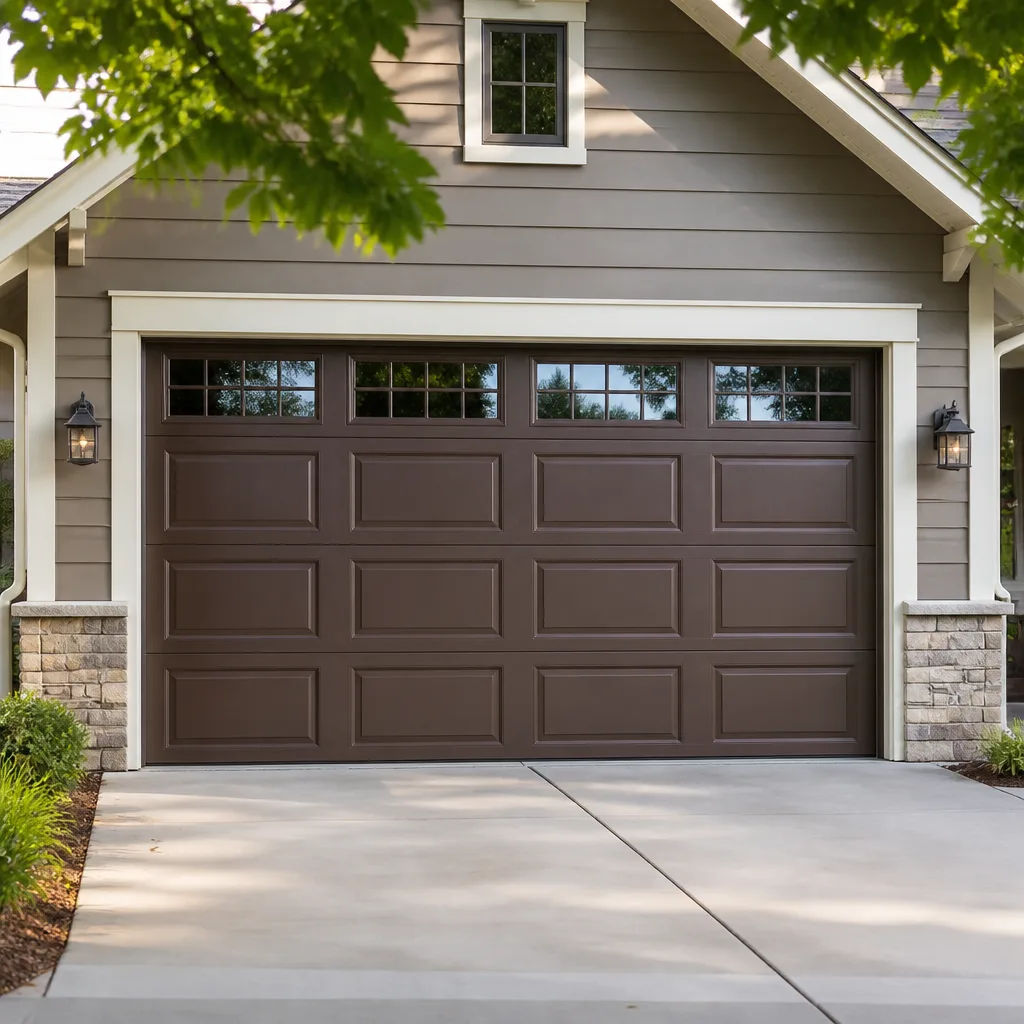
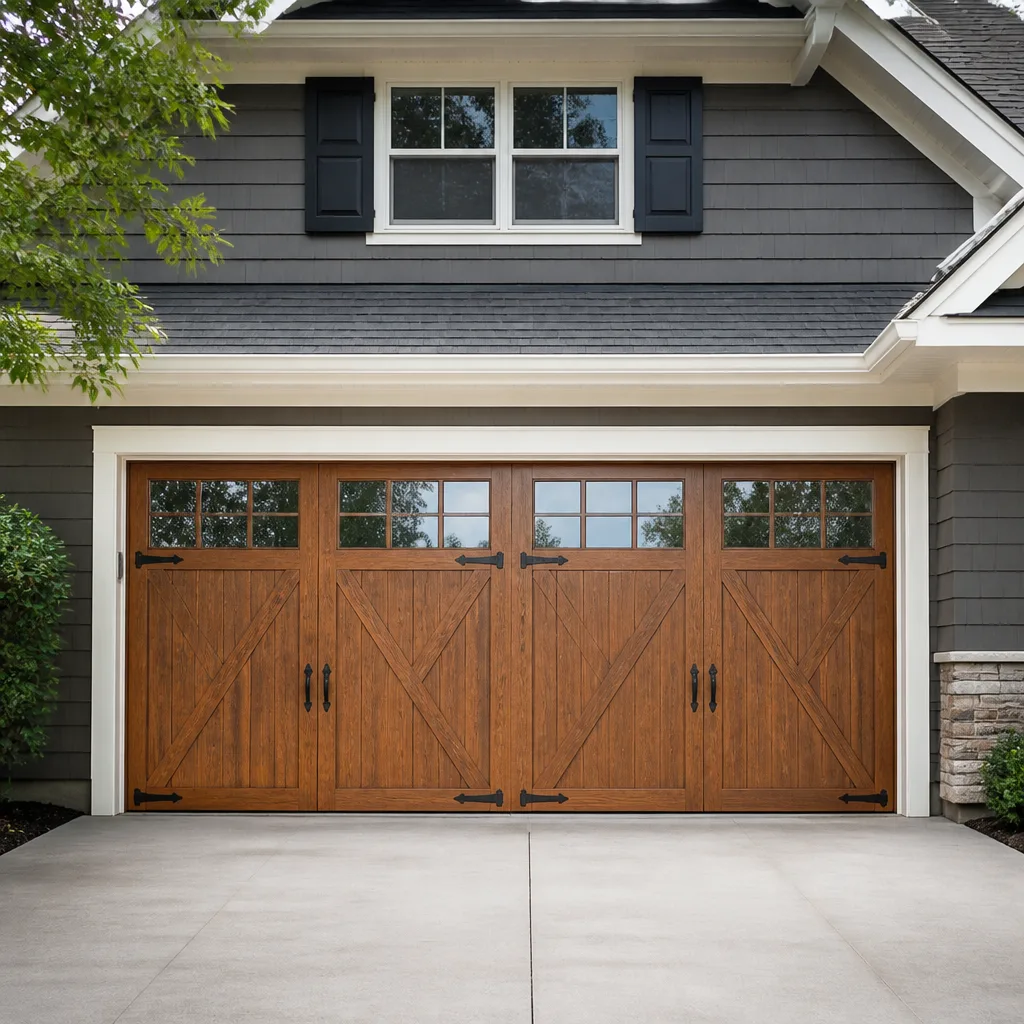
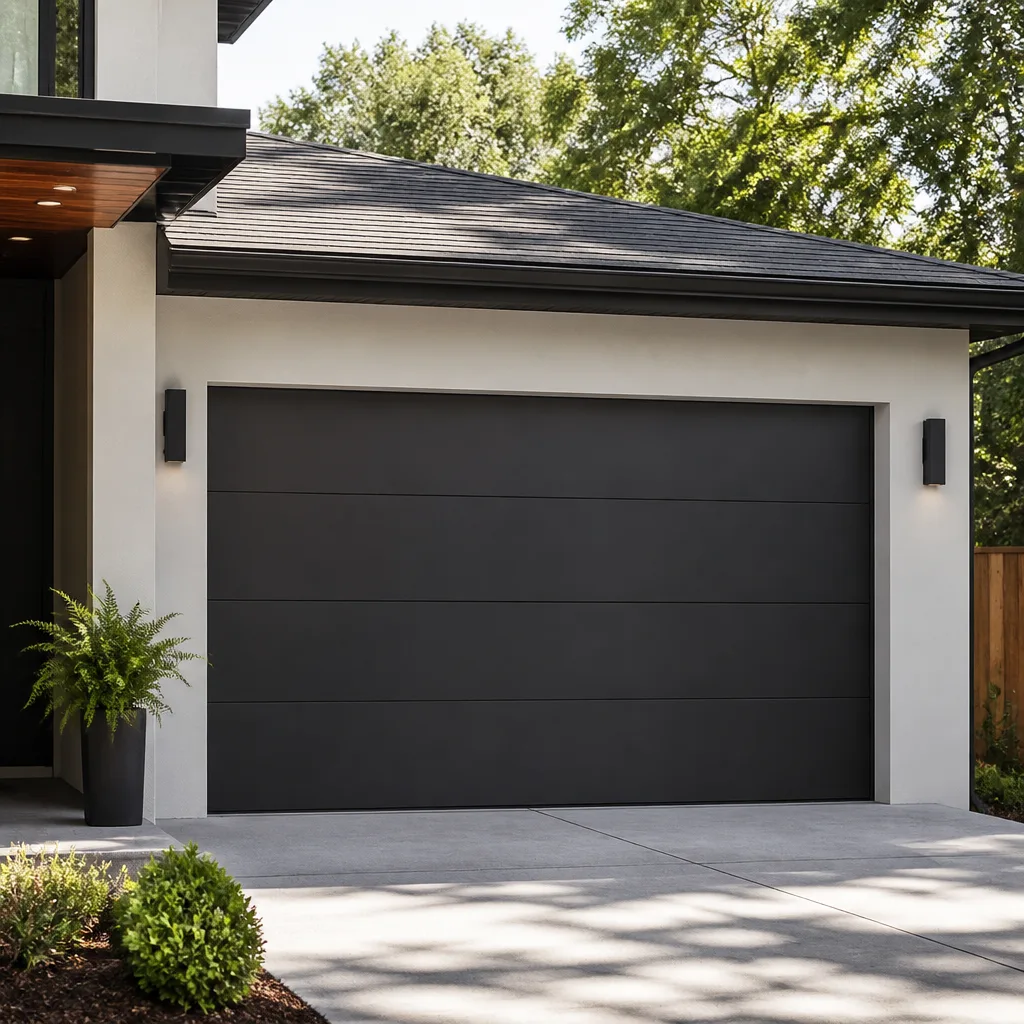
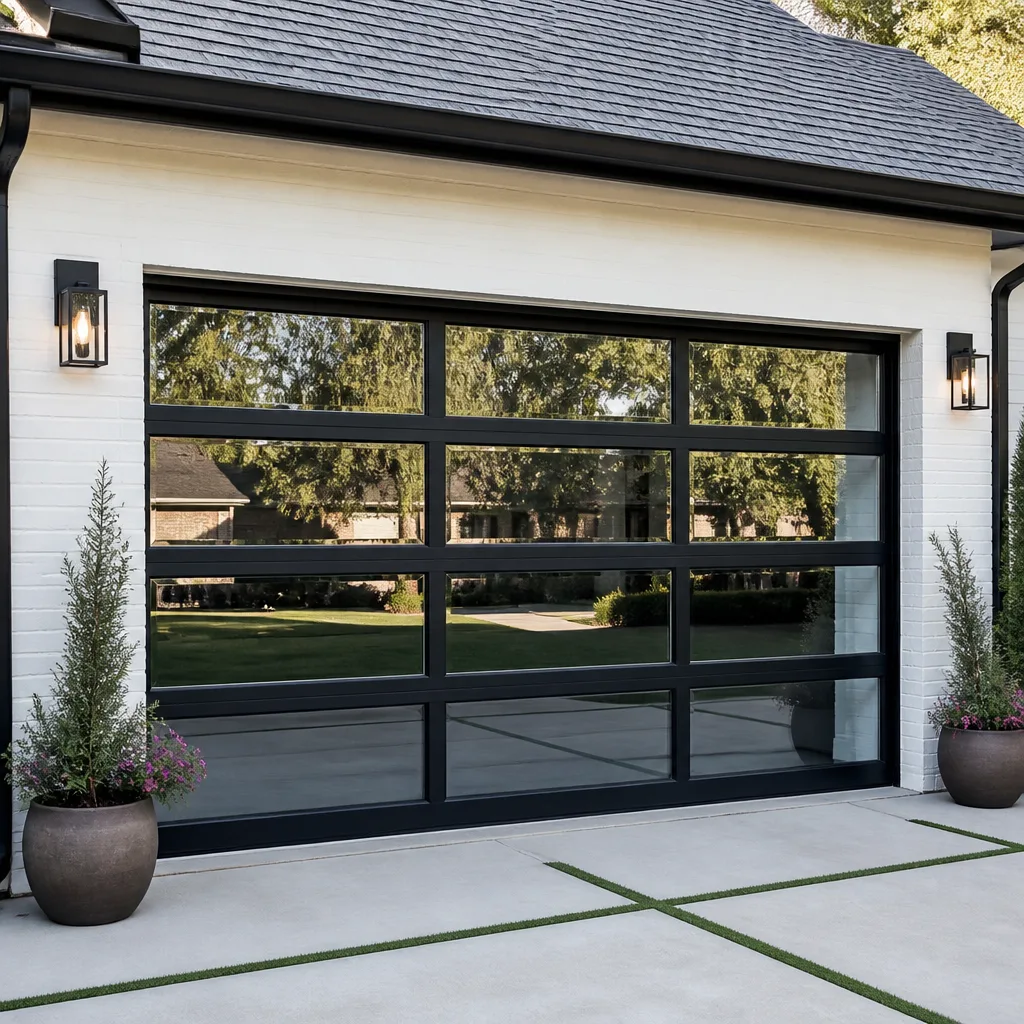
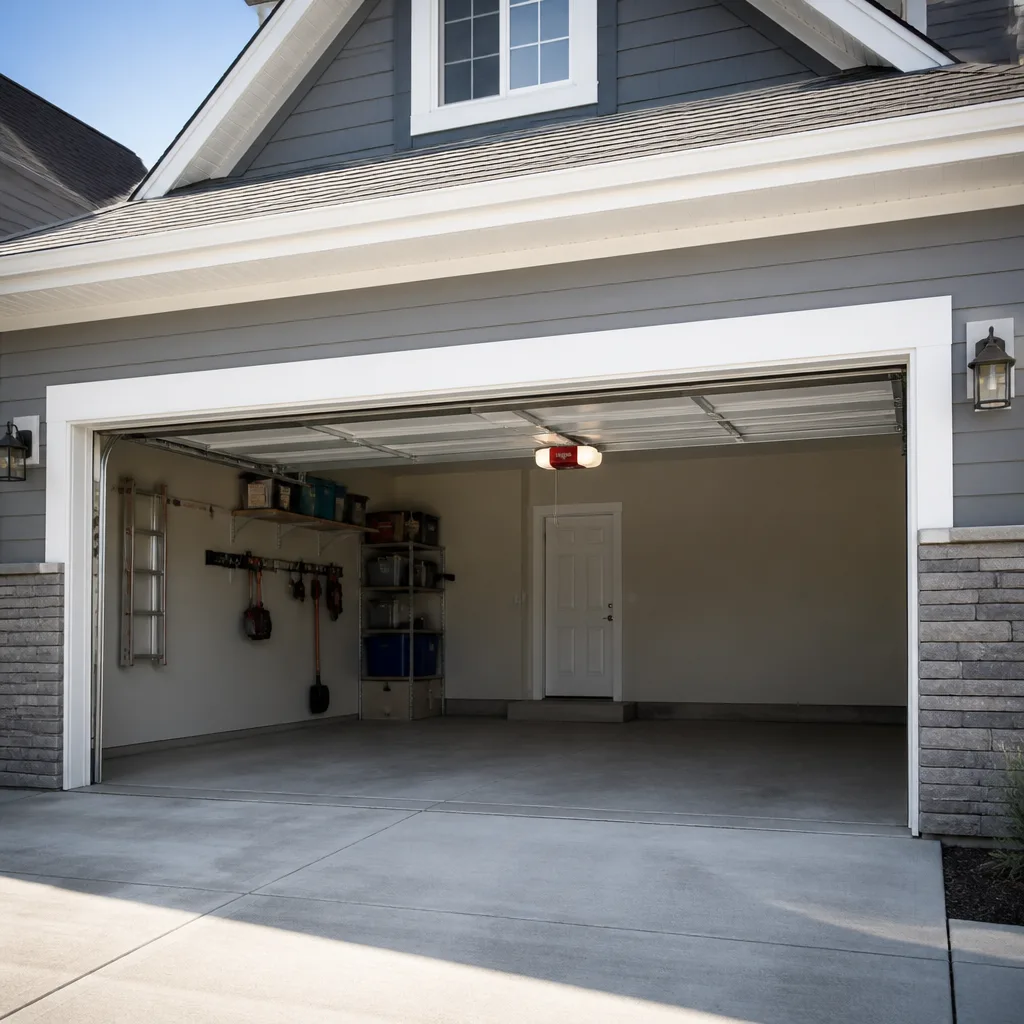
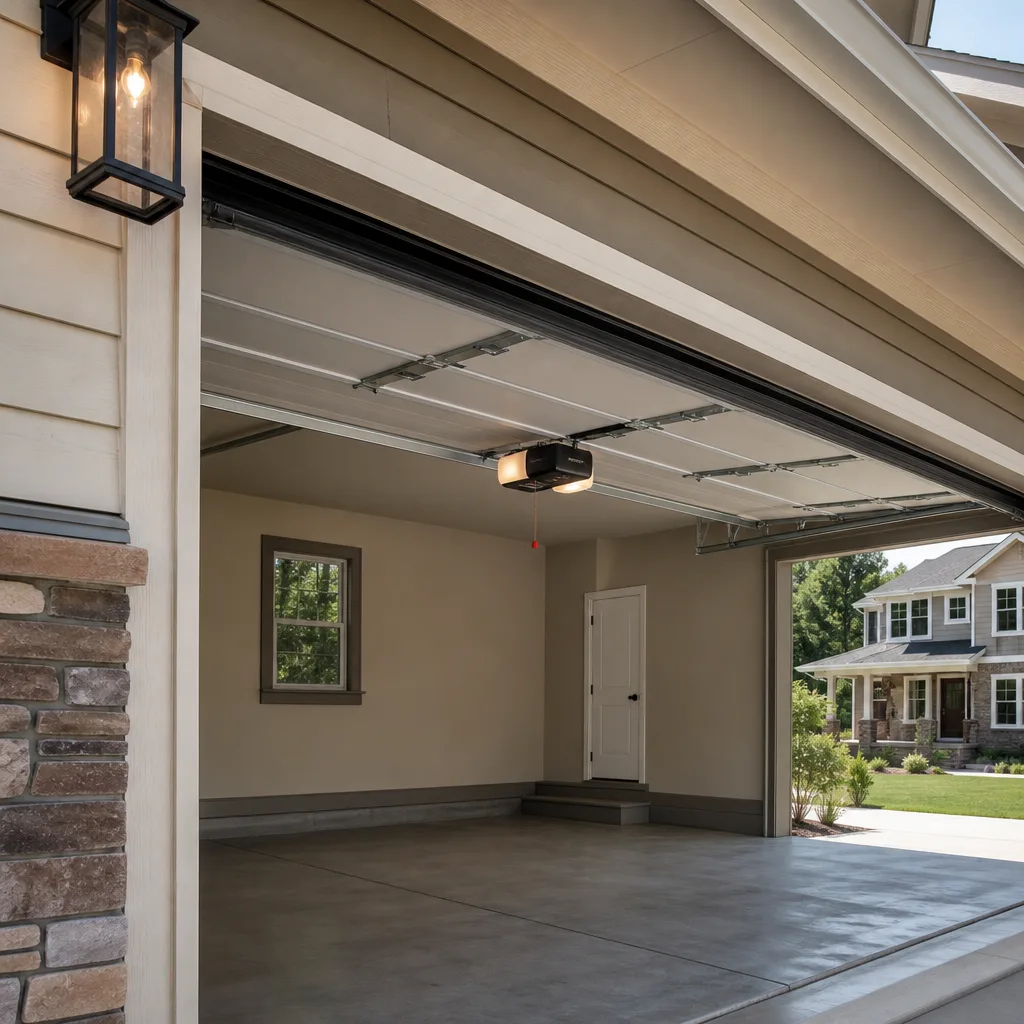
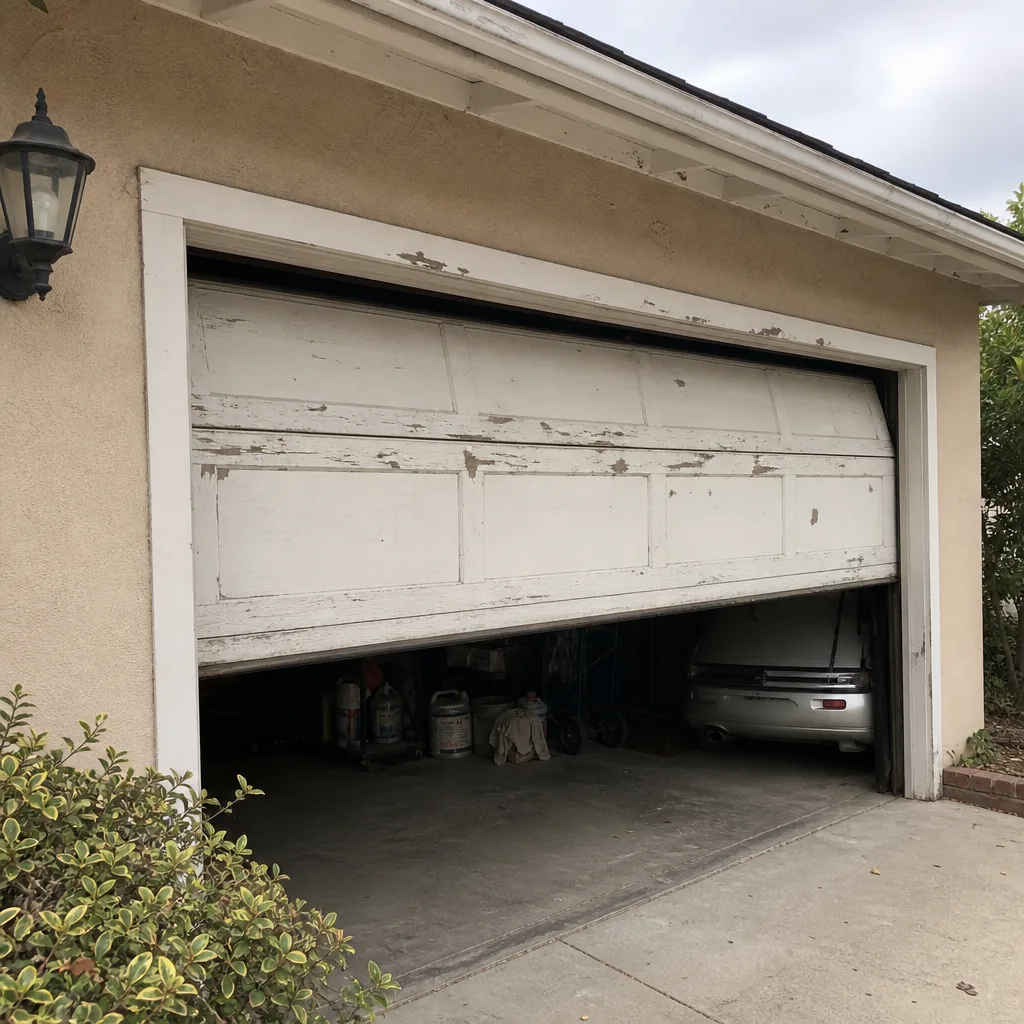 Before
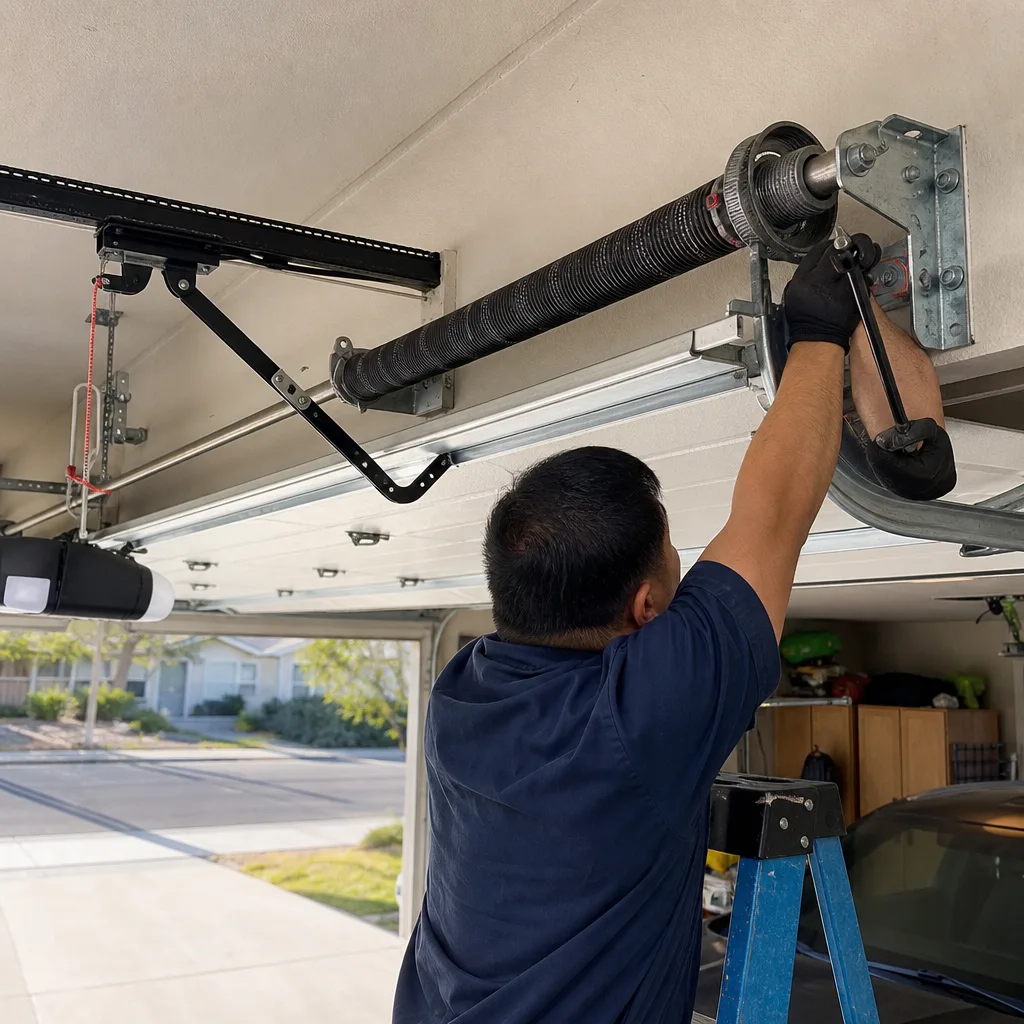 After
After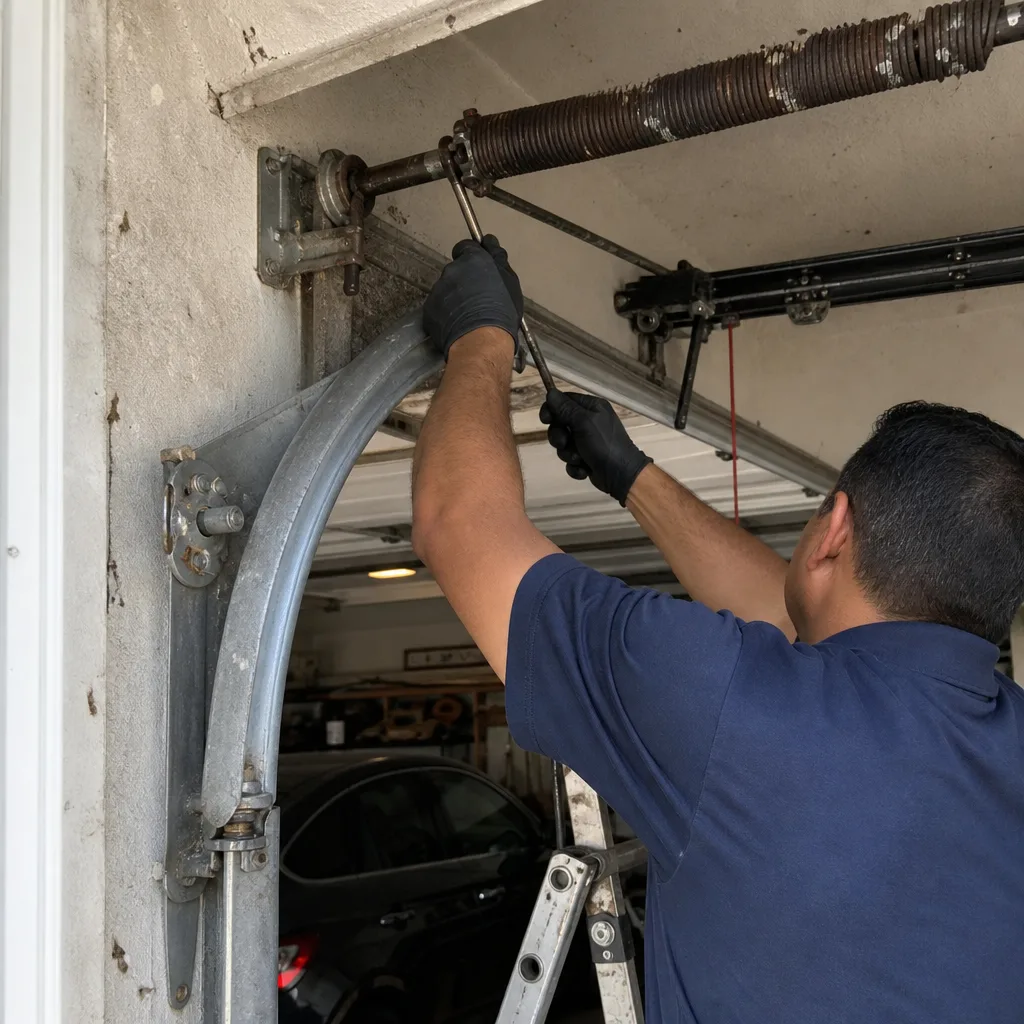 Before
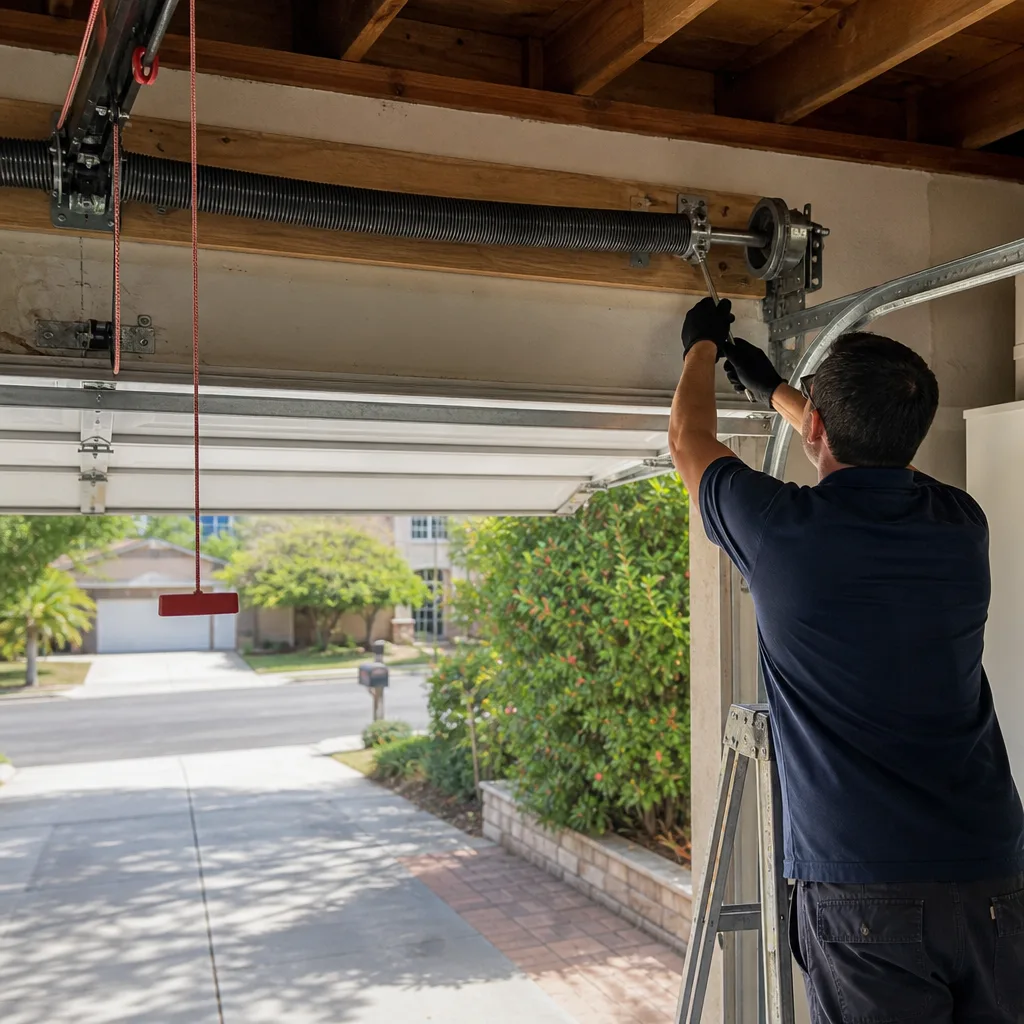 After
After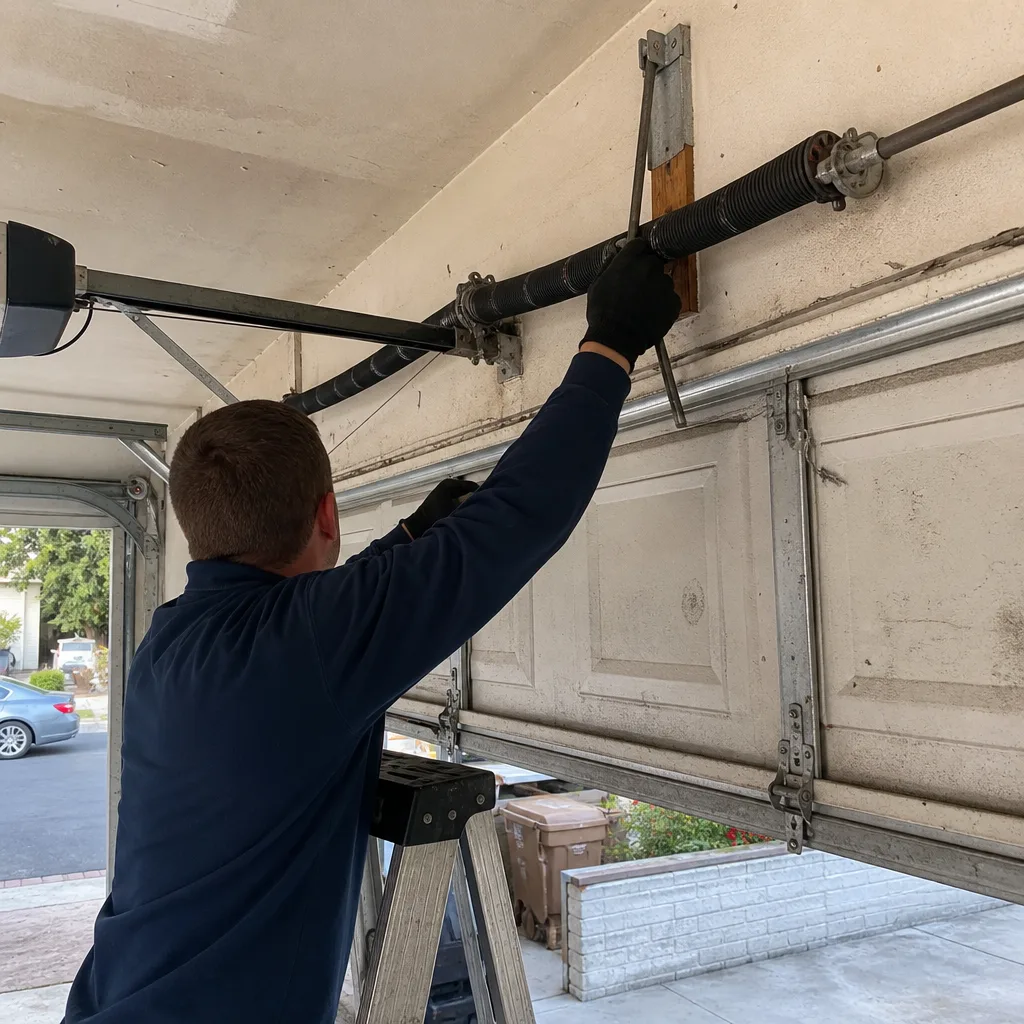 Before
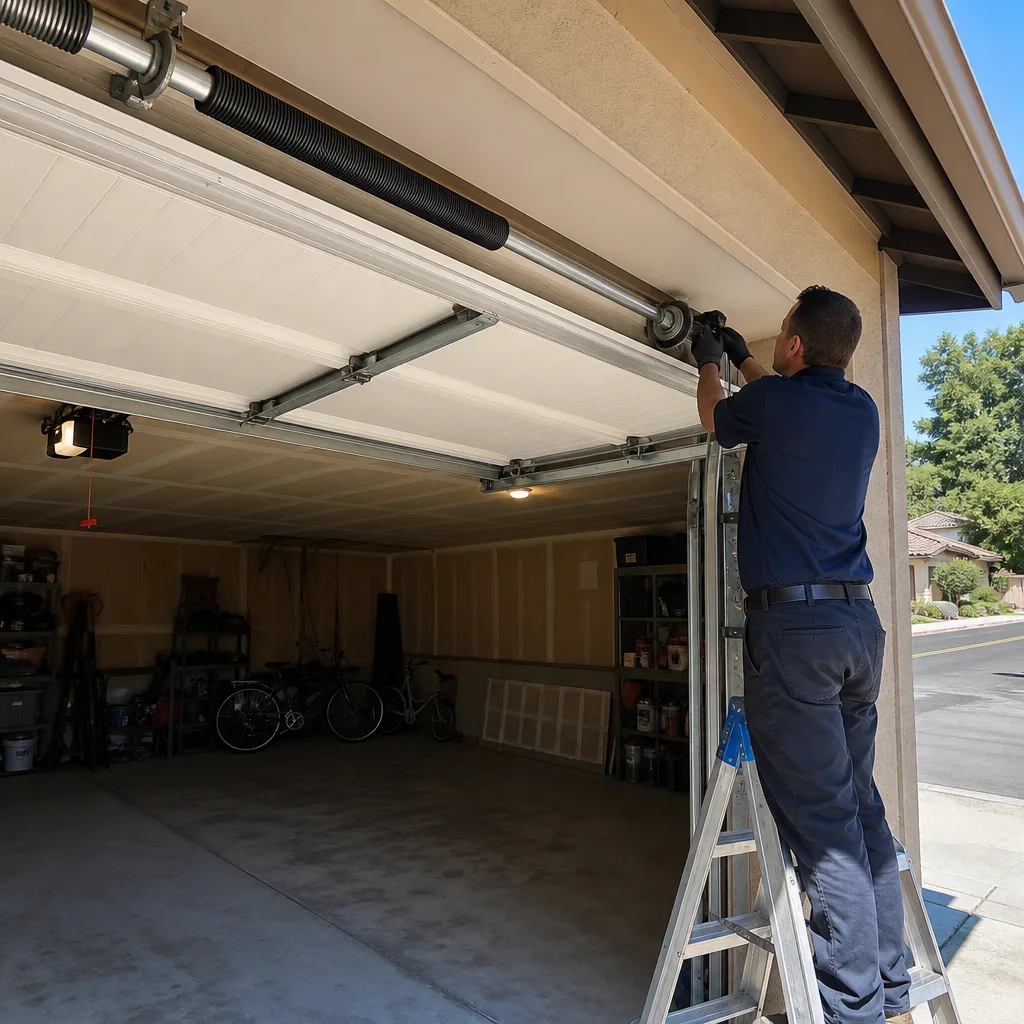 After
AfterSeasonal Garage Door Care for Thousand Oaks: Year-Round Homeowner’s Guide
Most garage door maintenance advice assumes you live somewhere with four distinct seasons: a freezing winter, a wet spring, a hot summer, a crisp fall. Thousand Oaks doesn’t work that way. What we get instead is a calendar of stress events: Santa Ana winds that push doors sideways in their tracks from October through January, summer UV that bakes panel paint and stiffens weather seal until it cracks, marine layer moisture that sits on metal hardware from February into early summer, and spring temperature swings that make metal expand and contract in ways that loosen track bolts. This guide is built around that local calendar, not a generic national one, and you can find more guides & resources on our site. You’ll learn what to check each quarter, why the timing matters, and what a garage door in Thousand Oaks actually needs to survive the year.
Quick Answer
In Thousand Oaks, seasonal garage door care means running a lubrication and inspection schedule tied to October and April, not quarterly. The Conejo Valley’s alternating dry heat and marine moisture degrades lubricant predictably, so a six-month cycle catches problems before they turn into repairs. Each season has a specific task list: pre-Santa Ana weather seal and cable checks in October, UV and heat testing in July and August, marine layer rust inspection in February and March, and track alignment checks after winter temperature swings.
Table of Contents
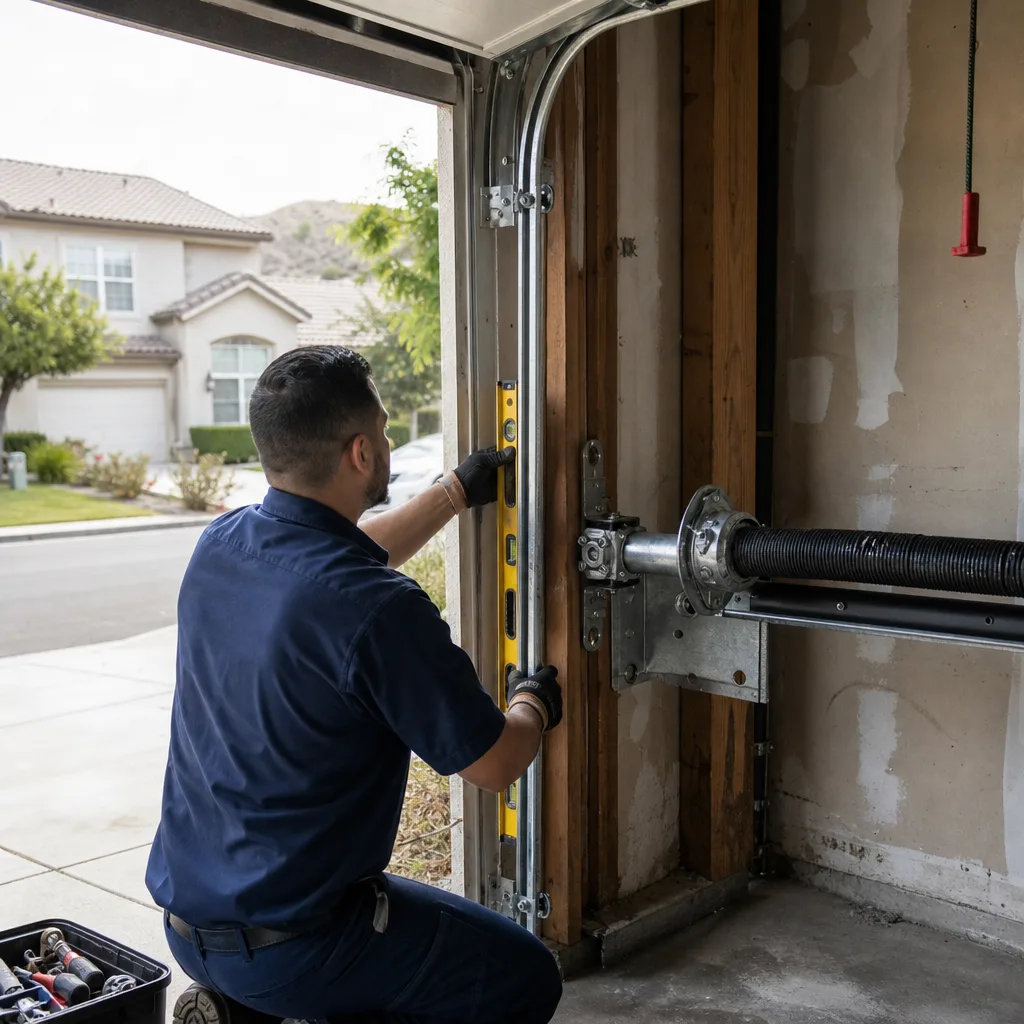
- Why Thousand Oaks Garage Doors Fail on a Schedule
- October Task List: Before the Santa Anas Arrive
- Summer Task List: UV, Heat, and Door Tiredness
- February and March Task List: Marine Layer and Temperature Swings
- How to Tell Santa Ana Wind Damage From Normal Wear
- A 12-Month Garage Door Log for Thousand Oaks
- Common Mistakes to Avoid
- When to Call a Professional
- Frequently Asked Questions
- The Bottom Line
BeforeAfterWhy Thousand Oaks Garage Doors Fail on a Schedule
The garage door industry’s standard advice is to lubricate your door every three months. That advice was written for places with real winters and humid summers. In Thousand Oaks, the failure pattern is different. Here’s what we’ve seen across garage door repair in Thousand Oaks over the last decade.
From June through September, daytime temperatures in the Conejo Valley regularly climb past 90 degrees, and outdoor relative humidity drops into the teens during Santa Ana events. That combination accelerates evaporation of the light oils in garage door lubricants. The grease that’s left behind becomes tacky, then gummy, then solid. By September, many doors in Thousand Oaks are running on what is basically glue.
Then, from October through January, the Santa Anas arrive. These are sustained dry winds that regularly gust to 50 mph and occasionally past 70 in the foothills near Newbury Park and the Santa Monica Mountains’ northern slope. A door that’s been losing lubricant for six months doesn’t have the smooth operation it needs to handle wind loading. The rollers bind. The cables stretch unevenly. The tracks take lateral force they weren’t adjusted for. That’s when the break happens.
Then, from February through early summer, the marine layer moves in. Overnight humidity rises, dew forms on metal surfaces, and every piece of exposed steel gets a thin film of moisture. Hardware that was fine in October starts showing surface rust by March. Track bolts, hinge pins, spring cones. None of it is dramatic, but all of it compounds.
This is why a six-month schedule tied to October and April works better in Thousand Oaks than the quarterly generic advice. October is before the winds. April is after the marine layer. Two well-timed maintenance sessions beat four poorly timed ones.
October Task List: Before the Santa Anas Arrive
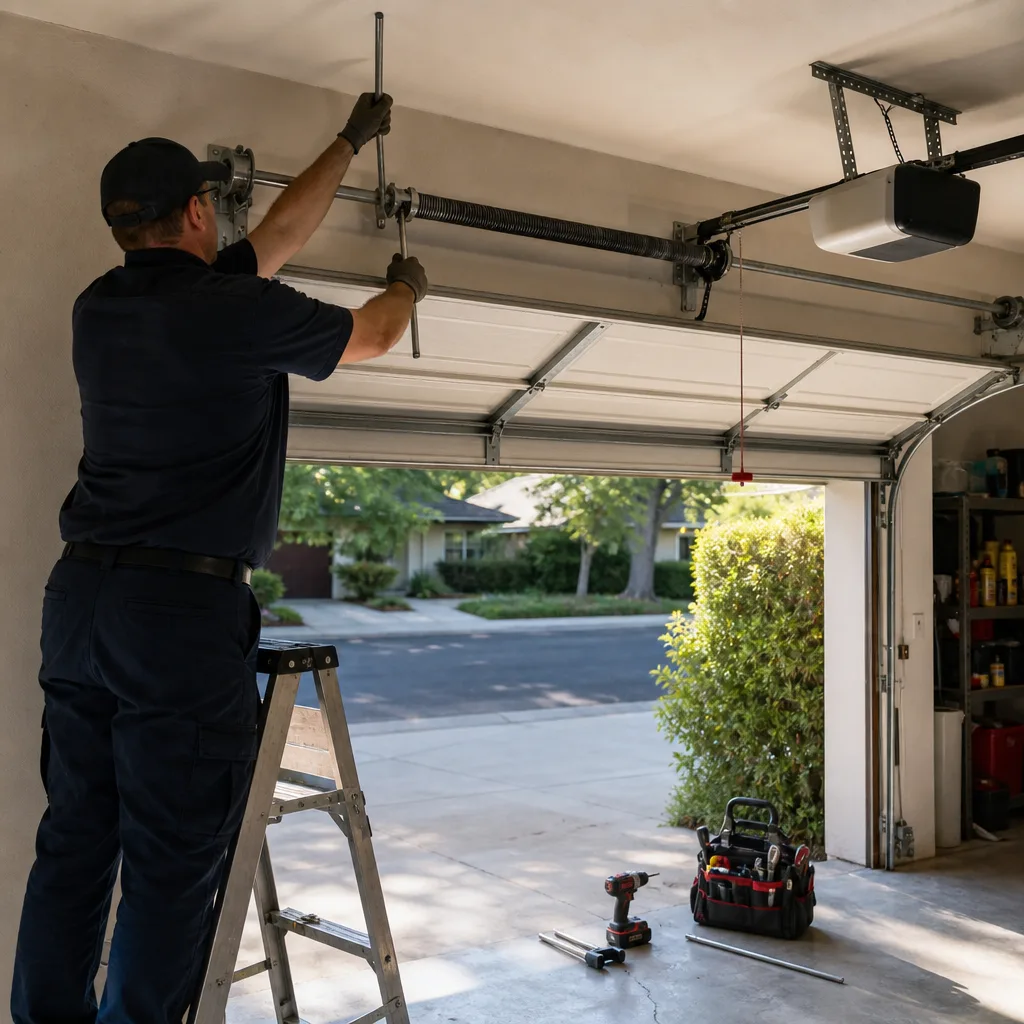
October is the most important maintenance month of the year in Thousand Oaks. This is when you prepare for the Santa Ana season, which, in our experience, is when most garage door failures in this city actually happen. The winds find every weak point: a weather seal that’s cracked lets dust and debris into the track. A cable that’s lost tension lets the door hang slightly off-balance. Wind loading then turns a door that was marginal into one that fails completely.
Here’s the full October checklist. Budget about 45 minutes, and don’t skip the cable check; it’s the item most often overlooked.
1. Inspect the bottom weather seal
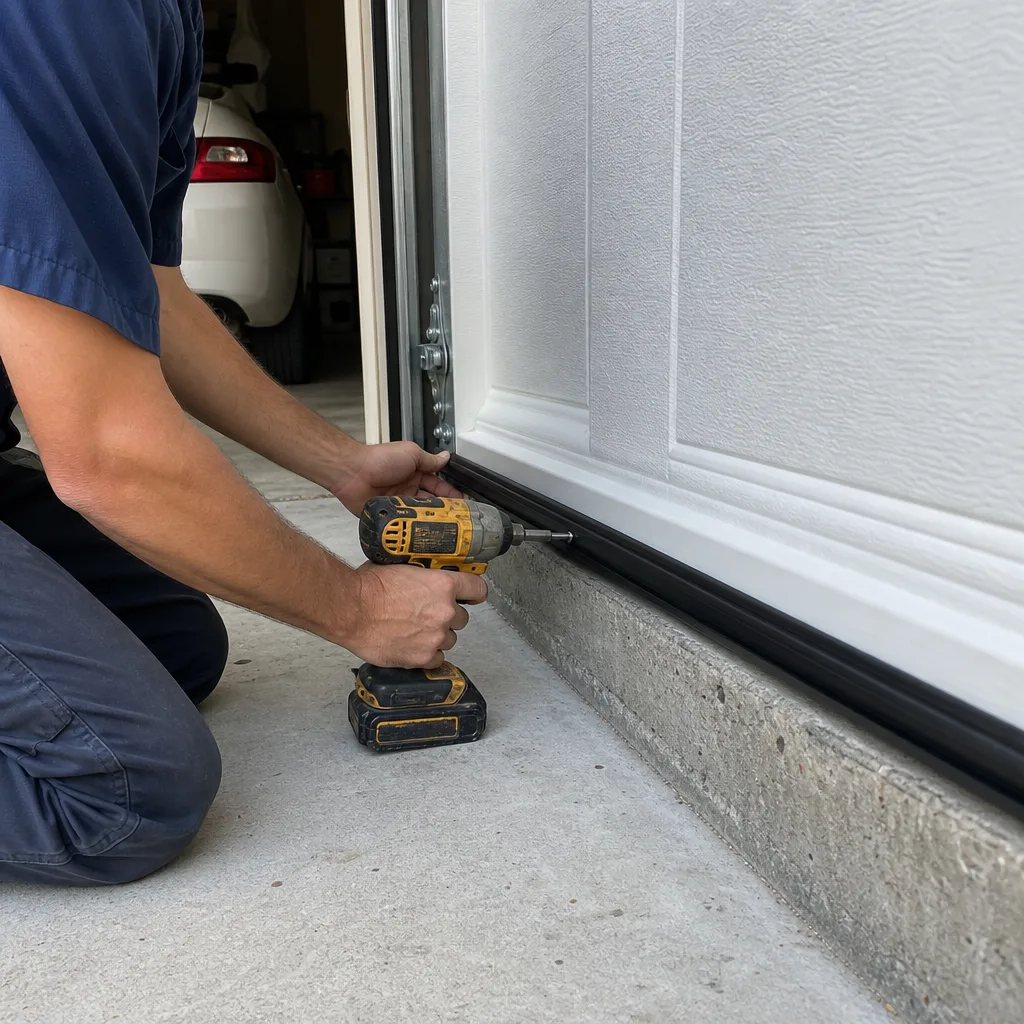
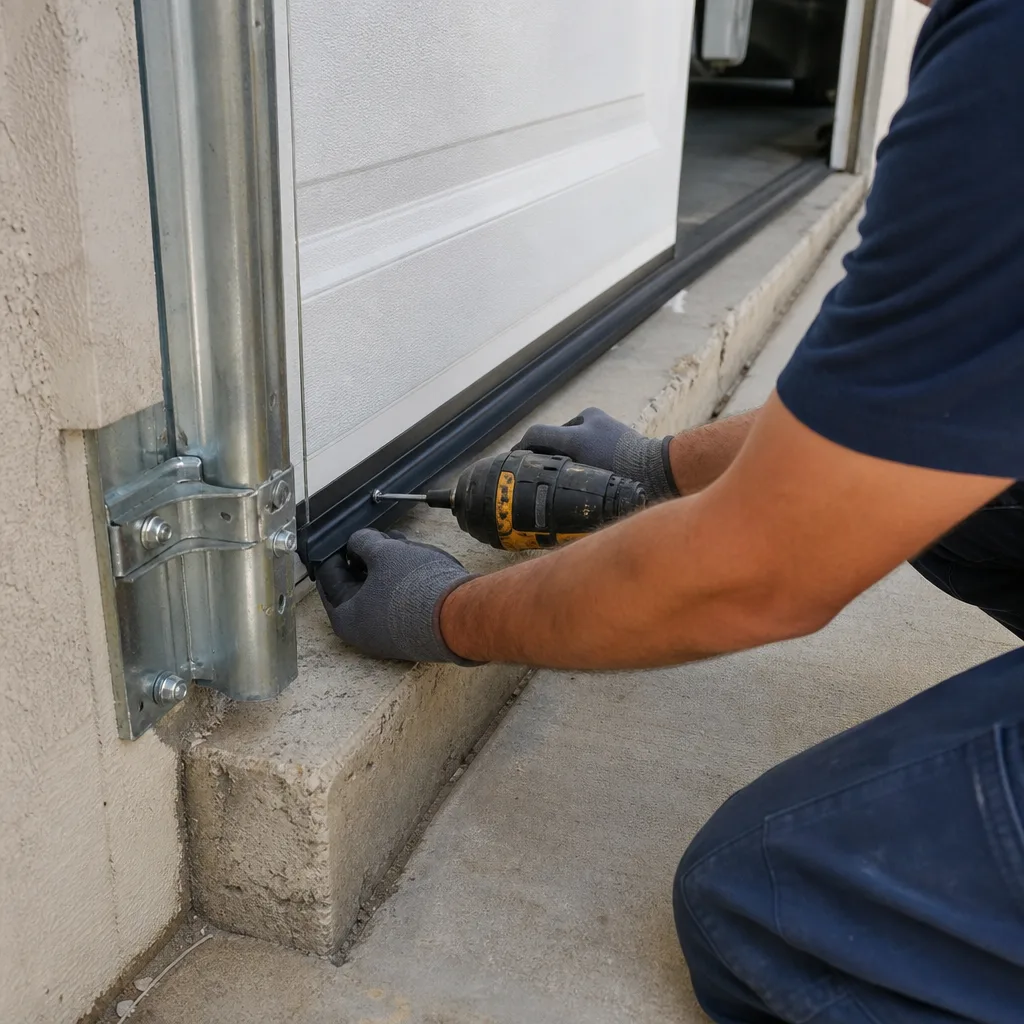
Run your hand along the rubber strip at the bottom of the door, especially near the corners. In the dry summer months, this seal bakes. By October, it’s often brittle and cracked. A failed seal lets wind-blown dust, leaves, and the occasional mouse into the garage, but worse, it lets the door bottom sit unevenly on the slab. That changes the load path on the hinges and panels. If you see cracks or gaps, the seal needs replacement. It’s a $60 to $120 part on most residential doors, and it’s the single most cost-effective pre-Santa Ana repair you can make.
2. Check cable tension
Open the door halfway and let go. If it drifts down, the springs or cables are losing tension. If it creeps up, the springs are over-tensioned. Both conditions get worse when low-humidity air shrinks the metal components slightly. A door that’s balanced in August can be off-balance by November. This one is worth checking in October and again in December, because the fix is usually a simple spring adjustment by a professional, but the consequence of ignoring it is a snapped cable under wind load.
3. Lubricate correctly
Use a silicone-based or lithium-based spray lubricant on the rollers, hinges, and springs. Do not use WD-40; it’s a solvent, not a lubricant. It’s good for cleaning, terrible for long-term lubrication. Apply a light coat to the torsion spring coils, the hinge pins, and the roller bearings. Then apply a thinner coat to the track, which shouldn’t be greased. The track should be clean and dry.
4. Tighten track bolts and hinge screws
Garage door hardware works loose over time. October is the right moment to tighten everything back up, because the wind season is when loose bolts cause real damage. Use a socket wrench on the track brackets where they meet the wall, and a screwdriver on the hinge screws. If you hear the door rattle on windy nights, a loose bolt is the likely cause.
5. Test the safety reverse
Place a roll of paper towels under the door and close it. The door should reverse within two seconds of contact. If it doesn’t, the pressure adjustment or the photo-eye safety system needs attention. This is a legal requirement in California, not just a nice-to-have, and it’s worth testing twice a year.
If any of these checks turns up a problem you’re not comfortable fixing, Servo Garage Doors Thousand Oaks home page explains how we work: flat, written pricing before any work starts.
Summer Task List: UV, Heat, and Door Tiredness
Summer in Thousand Oaks puts two distinct stresses on a garage door. The first is solar: panels on south-facing and west-facing elevations absorb direct UV for six to eight hours a day. The second is thermal: garage air temperatures in August regularly exceed 110 degrees, which pushes the garage door opener’s electronics and motor past their comfort zone.
UV damage assessment
Walk up to the door and look at the panel surface. On steel doors, especially darker colors, UV accelerates fading and, over multiple years, can cause the paint to chalk and delaminate. On wood doors, which are less common but still present in Thousand Oaks, UV drying opens the grain and causes cracks. The fix depends on the door type. Steel doors can be refinished with automotive-grade paint. Composite doors from brands like Clopay and Amarr are made with UV-stabilized finishes that hold up longer. Wood doors need annual resealing in our climate.
If the finish is gone, the underlying material starts to break down. That’s not a cosmetic issue anymore; it’s a panel-integrity issue.
Bottom seal brittleness
Summer is when the bottom seal fails, but you probably won’t notice it until winter, when the Santa Ana winds start pushing dust under the door. If you check in July or August, you’ll catch it early. The seal should feel flexible. If it feels hard, crumbles when scraped, or shows cracking at the fold lines, it’s time. This is a $60 to $120 part, and replacing it in summer means your garage stays clean and dry through the fall.
Opener thermal cutout testing
The garage door opener on a hot summer day is operating at the very top of its rated temperature range. Most opener motors have a thermal cutout, a safety switch that stops the motor when it gets too hot to prevent permanent damage. On a 95-degree afternoon in Thousand Oaks, some openers will run the door up and down twice and then refuse to move for 15 to 20 minutes while the motor cools. If that happens, it’s not necessarily a failed opener; it’s working as designed. But if it happens regularly, it signals that the motor is running hotter than it should, which is usually a sign of worn gears or low lubrication. Run the door through a full cycle in the late afternoon heat. If it stops, wait 20 minutes and run it again. If it stops again, the opener needs attention. That’s a garage door opener repair or installation in Thousand Oaks situation we’d want to look at.
February and March Task List: Marine Layer and Temperature Swings
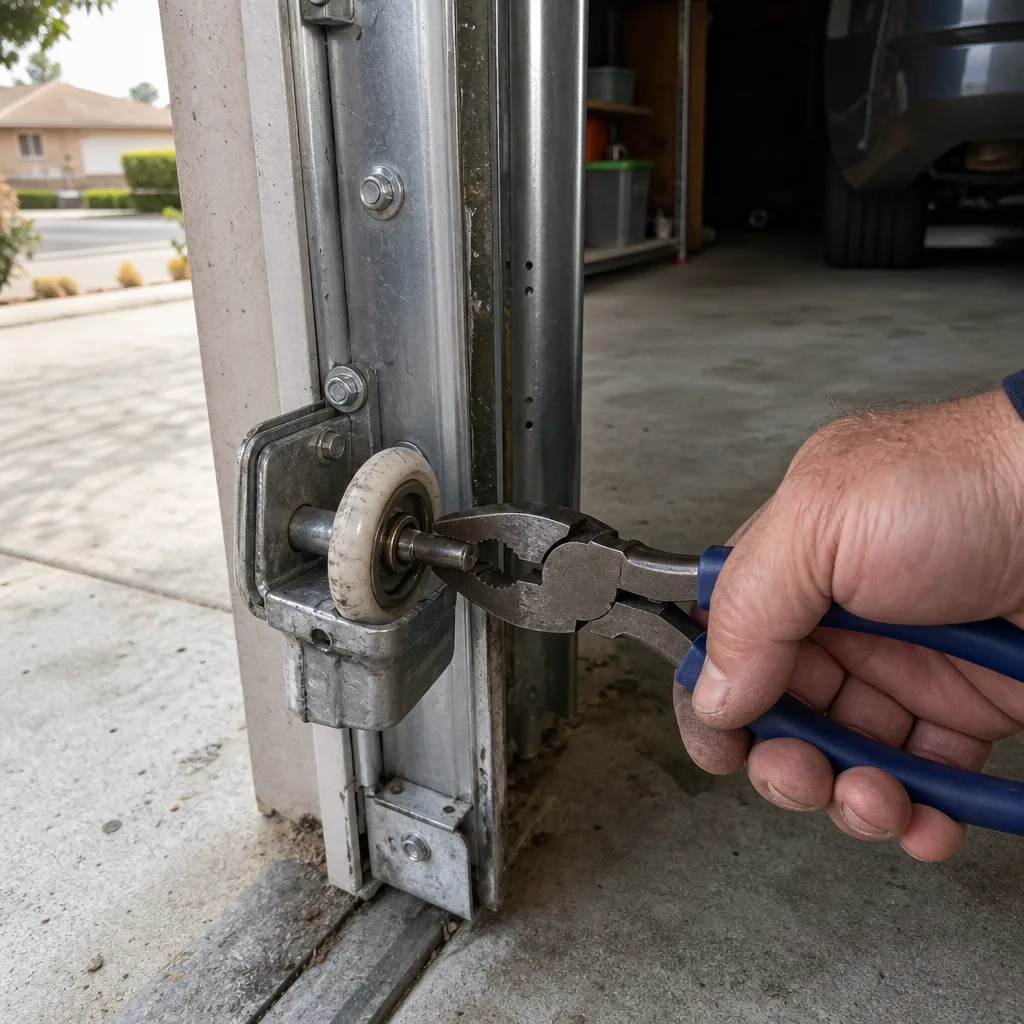
February and March in Thousand Oaks are deceptively mild. Daytime highs are in the 60s and 70s, and the marine layer sits over the Conejo Valley most mornings. That’s exactly the condition that produces rust. The air is wet enough to condense on steel, but not wet enough to wash it off. Salt compounds from the ocean air, even 15 miles inland, accelerate the process. In neighborhoods closer to the 101 corridor, we see more rust than in the foothill areas, but it’s a valley-wide condition.
Check metal hardware for surface rust
Look at the track bolts, hinge pins, and spring cones. Surface rust is cosmetic at first, but it’s also a leading indicator. Rust on a hinge pin means the pin is no longer smooth, which means the door isn’t cycling as quietly or freely as it should. Rust on a spring cone can hide stress cracking underneath. If you see rust, wire-brush it off and apply a thin coat of machine oil to protect the surface. If the rust is on the spring coils themselves, don’t touch anything; a corroded torsion spring under tension is dangerous. That’s a professional job, every time.
Track alignment after winter temperature swings
The temperature difference between a January night in Thousand Oaks, when temps can drop into the high 30s, and a March afternoon in the mid-70s is 35-plus degrees. That expansion and contraction is enough to shift track brackets, particularly where the vertical track meets the horizontal track at the curve. Look at the gap between the roller and the track. It should be consistent. If a roller is tight on one side and loose on the other, or if you hear a metallic scrape during operation, the track alignment is off. Small adjustments are usually all that’s needed, but they should be done with the door in the closed position and the springs under tension. Unless you know exactly what you’re doing, leave track adjustment to a trained technician.
Drainage check
When the marine layer sits for days, condensation runs off the door and down to the slab. If the garage floor drains poorly or the door doesn’t seal completely at the corners, that moisture pools. Standing water at the base of the tracks accelerates rust and, in serious cases, creates a slipping hazard. If you see water pooling inside the garage after a marine layer event, the bottom seal or the slab drainage deserves a look.
How to Tell Santa Ana Wind Damage From Normal Wear
This is the section we wish more Thousand Oaks homeowners read before calling a contractor, because being able to describe the damage accurately changes the conversation, and our The Complete Guide to Garage Door in Thousand Oaks covers even more ground. It’s the difference between “my door is making noise” and “the right track shows a 3-inch lateral deflection and one roller is off its guide.” The second sentence lets us quote the likely scope over the phone.
Santa Ana wind damage patterns
The Santa Anas are not steady winds. They gust. The gusts create what’s called dynamic loading, a rapid change in pressure against the door’s face. For a sectional garage door, that means the horizontal track sections absorb most of the force. Here’s what to look for:
- Horizontal track deflection: The long tracks that run parallel to the ceiling should be straight, not bowed. Wind gusts push the door sideways and the tracks bend. A 1/8-inch deflection over a 4-foot span is normal wear. An 1/2-inch or more over the same span is likely wind damage.
- Panel dent patterns: Wind-thrown debris and direct wind pressure leave dents on the outside face of the panels. If the dents are concentrated on one side or the other, that’s a wind event. If they’re evenly distributed or centered, that’s more likely impact damage from a car or a ball.
- Roller and track wear on one side only: Wind stress loads one side of the door more than the other. If the right-side rollers are visibly more worn than the left, or the right track shows more scuffing, that’s a sign the door has been fighting sideways pressure.
- Weather seal damage on the windward edge: The rubber seal along the side of the door will show abrasion and tearing on the side that faces the prevailing wind. In most Thousand Oaks neighborhoods, that’s typically the north or northeast side, since Santa Anas come from the northeast.
Normal wear, by contrast, is symmetric. Rollers wear evenly. Tracks show scuffing on both sides. Springs lose tension gradually. If what you’re seeing is one-sided, think wind. If it’s even, think age.
This distinction matters because it changes the repair scope. Symmetric wear often means a routine service or a spring replacement. Asymmetric wind damage can mean track replacement, roller replacement, and panel reshaping or replacement. Accurately describing what you see is the first step to getting a fair written price. It also helps us document the condition properly, which matters for insurance claims if you have a wind-damage rider on your homeowner’s policy.
A 12-Month Garage Door Log for Thousand Oaks
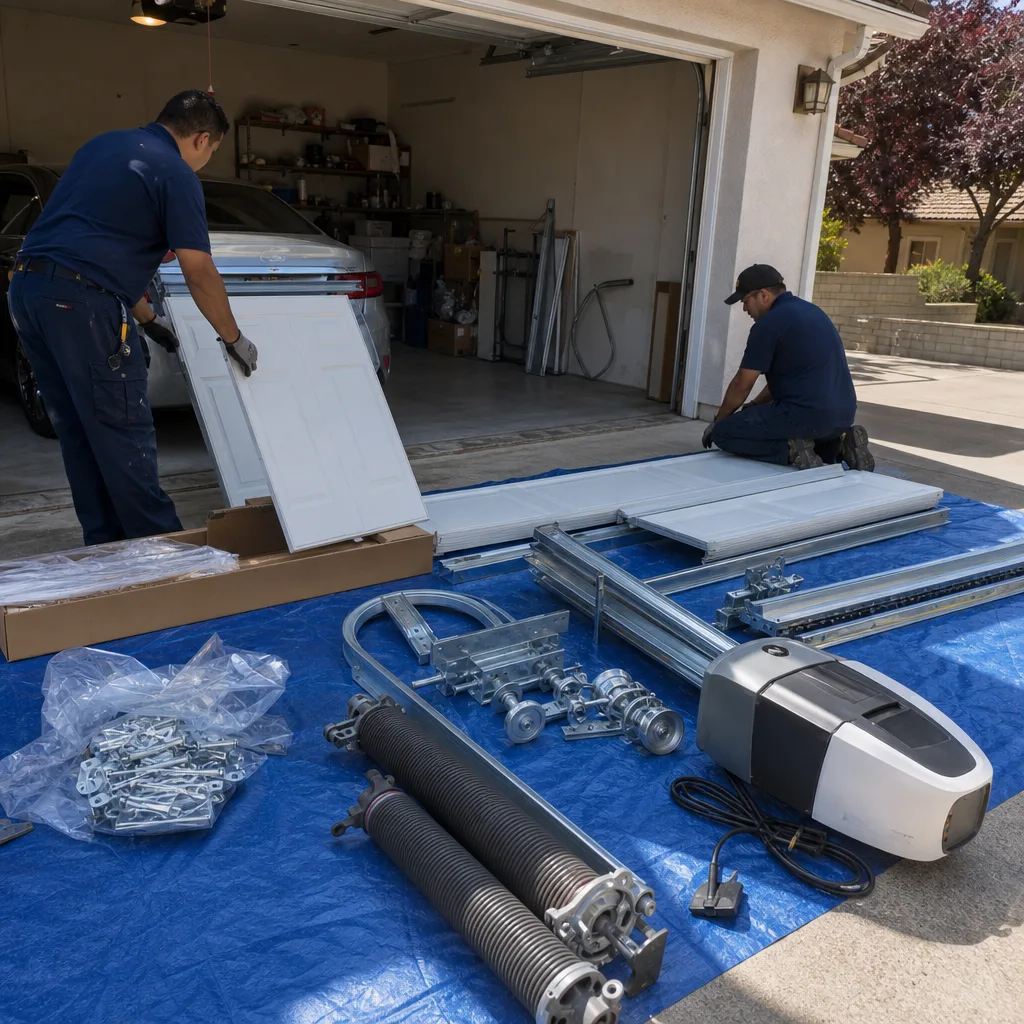
Nothing extends a garage door’s service life like a maintenance log, but most log templates are written for a generic American climate. Here’s one calibrated to the Conejo Valley’s actual stress periods. Print it, stick it inside the garage door by the opener, and check off each item when it’s done. If you ever sell the home, this log is a selling point.
January
- Check door balance with the opener disengaged (pull the red release handle). The door should hold at half-open.
- Inspect tracks for any new deflection. January is the tail end of Santa Ana season; if the door was wind-loaded in November or December, the tracks will show it now.
- Listen for any rattle from the track bolts during a full open-close cycle.
February
- Inspect all metal hardware for surface rust. Wire-brush any rust on brackets and hinge pins; apply thin machine oil.
- Check the bottom seal for evidence of moisture intrusion: look inside the garage near the door on marine layer mornings.
- Wipe down the photo-eye sensors with a dry cloth; condensation from the marine layer can leave a film that blocks the beam.
March
- Check track alignment at the curve point. Look for tight rollers or metal-on-metal scrapes.
- Test the auto-reverse safety feature.
- Lubricate rollers, hinges, and springs with silicone spray.
April
- Full lubrication session. This is the first of two annual lubrication dates.
- Check and tighten all track bolts and hinge screws.
- Run the opener through three full cycles; listen for changes in pitch or any new grinding.
May
- Inspect the weather seal at the bottom for early UV damage. The seal should still be flexible.
- Check the seal along the sides of the door where it meets the jamb. Make sure it’s still making contact.
- Look for insect nests in the track or on the opener rail; this is prime nesting season.
June
- Wash the exterior of the door with mild soap and water to remove dust accumulation before the hottest months.
- Check the panel finish for early signs of fading or chalking, especially on south-facing elevations.
- Verify the opener’s force settings are correct by running the safety reverse test again.
July
- Test the opener for thermal cutout in the late afternoon heat (see the summer section above).
- Inspect the bottom seal for brittleness; this is the month it typically fails.
- Look for any warping on wood doors or composite doors that sit in direct afternoon sun.
August
- Run the door twice in a row at the hottest part of the day. If it stops, wait and note the behavior.
- Check hinge pins for wear. The dry heat accelerates bushing wear on nylon rollers.
- Inspect the garage door opener’s drive belt or chain for slack; heat accelerates chain stretch.
September
- Lubricate rollers, hinges, and springs. This is the last lubrication before Santa Ana season.
- Check that the emergency release handle is present and functional; if you ever need to pull it during a wind event, you want to know it works.
- Clear the track of any debris that may have accumulated.
October
- Full October task list: weather seal check, cable tension check, lubrication, bolt tightening, safety reverse test.
- Inspect any side seals for wind readiness.
- If you’re able, add a wind-rated brace or verify that existing track braces are tight.
November
- Check door balance weekly during active Santa Ana events. A door that’s off-balance shows it under wind load.
- Pay attention to any new rattles over a 24-hour period. Loose hardware fails fast in wind gusts.
- Inspect the outside face of the door for new dents or scratches from wind-thrown debris.
December
- Second check of cable tension and door balance after the first big wind events.
- Verify the weather seal is still intact; wind can lift and tear a marginal seal.
- Check track bolts for tightness; wind vibration works them loose quickly.
Common Mistakes to Avoid
- Lubricating on a quarterly schedule instead of a local schedule. Most manufacturer advice assumes a continental climate. In Thousand Oaks, the summer dry-out and winter marine layer mean a six-month schedule tied to October and April works better. Lubricating too often just attracts dust.
- Using WD-40 on the rollers and tracks. WD-40 is a water displacement solvent, not a lubricant. It cleans, then evaporates and leaves parts drier than before. Use a silicone or lithium spray instead.
- Ignoring a bottom seal crack because it’s “not a real problem.” A cracked seal is how garage interiors in Thousand Oaks fill with dust during Santa Ana season and how mice find their way in during the cooler months. It’s a $60 to $120 fix that prevents a lot of mess.
- Waiting until the door actually stops working to address a balance problem. A door that drifts down when half-open is telling you something. The fix is usually a spring adjustment, but if you wait, the cable snaps and the fix becomes a spring replacement and a cable replacement.
- Tightening hardware without checking alignment first. If the tracks are out of alignment and you tighten every bolt, you’re locking in the misalignment. Check alignment, then tighten.
- Ignoring opener thermal cutouts because “the opener still works.” A hot opener that regularly stops mid-cycle is telling you that the motor is working too hard. The cause is often worn gears or insufficient lubrication, and it’s a cheaper fix before the motor burns out entirely.
- Failing to reset the auto-reverse pressure after seasonal changes. Temperature swings change how the opener’s pressure sensor responds. Test it twice a year and recalibrate if necessary. This is a child-safety feature mandated by California law.
When to Call a Professional
Some maintenance jobs are safe and simple; others are not. The line is drawn clearly, and it’s worth knowing where it sits. Never attempt any work on torsion springs; the spring on a standard residential door holds several hundred pounds of tension, and failure is not forgiving. The same applies to cable work. Cables are routed through the spring assembly, and when they release under tension, they release with force. If you see a broken cable, don’t touch the door. If a roller has jumped out of the track, don’t try to force it back in. Leave the door closed if possible, and call someone who does this every day.
Beyond safety, there’s a documentation argument. Servo Garage Doors Thousand Oaks offers free estimates in Thousand Oaks, and every job closes with a documented photo record of what was found and what was done. Clause 4 of The Haven Standard is why the technician photographs the failed part before quoting a replacement. You see what we saw. That’s not a sales gimmick; it’s a paper trail. Call (424) 395-3203 if you’d like a written price.
Frequently Asked Questions
Every six months: once in October before Santa Ana season and once in April after the marine layer. This matches the Conejo Valley’s specific dry-heat-to-moisture cycle better than the standard quarterly advice. Use a silicone or lithium spray, never WD-40. Call (424) 395-3203 if you’d like our Thousand Oaks team to handle the full seasonal service.
Yes, because the failure modes are seasonal even when the temperature doesn’t drop below freezing. Santa Ana winds stress tracks and cables from October through January. Summer UV degrades seals and panel finishes. The marine layer rusts hardware from February through early summer. In our experience, seasonal maintenance is the difference between a 10-year-old door and a 20-year-old door.
Weather seal failure, by a significant margin. The combination of summer UV and fall wind is brutal on rubber. Once the bottom seal cracks, the door loses its seal, dust enters the garage, and the door can sit unevenly on the slab, which causes hinge wear. It’s also the cheapest fix, which is why we mention it so often. For a written quote on replacement, call (424) 395-3203.
A basic lubrication and inspection service typically runs $89 to $149, depending on the door and what’s included. Parts like a new weather seal or roller replacement are additional, but they’re quoted in writing before work begins. If you’re looking at a full garage door installation in Thousand Oaks, written pricing still applies: the scope and the number are on the page before any work starts.
Most of the inspection and lubrication tasks are safe for a careful homeowner. The hard line is springs and cables: those are always professional work. If an inspection turns up anything on that side of the line, or if the track is visibly bent or a roller is off its guide, stop and call. There’s no reason to risk that kind of injury on a door.
Steel doors with a UV-stabilized finish from brands like Clopay, Amarr, and Wayne Dalton handle the sun and marine layer well. The finish matters more than the brand name. A dark-colored door will fade faster than a light one regardless of who made it. If you’re replacing a door and want something that holds up in the Conejo Valley sun, a composite door with a UV-stabilized surface is usually the strongest choice; see our Garage Door Cost Breakdown: The Thousand Oaks Homeowner’s Reference for 2026 for pricing context. We service all major brands, including Amarr and Wayne Dalton, so bring us the existing door and we’ll work from there.
The Bottom Line
Garage doors in Thousand Oaks don’t fail because of snow or ice. They fail because of wind, sun, and marine layer moisture, each on its own schedule. The fix is a seasonal maintenance rhythm that matches the local calendar: October for pre-Santa Ana checks, February and March for rust and alignment, July and August for UV and heat, and April for the second lubrication of the year. A 12-month log keeps it all straight. Most of this is homeowner-accessible. The rest belongs to a professional with the right tools and the right caution. Written by Marcus Deller, Owner at Servo Garage Doors Thousand Oaks, serving Thousand Oaks since 2015.